Monday, 18 May 2026

How to Clear Singapore Customs Easily: 4 Essential Travel Tips

Published: Monday, June 16, 2025
How to Clear Singapore Customs Easily: 4 Essential Travel Tips
Top Stories

When traveling to Singapore with items purchased abroad, understanding customs regulations is crucial for ensuring a smooth and hassle-free entry. Singapore is known for its strict customs laws, which are designed to protect its economy and society. Travelers should be aware of the Goods and Services Tax (GST), which applies to all goods brought into the country.
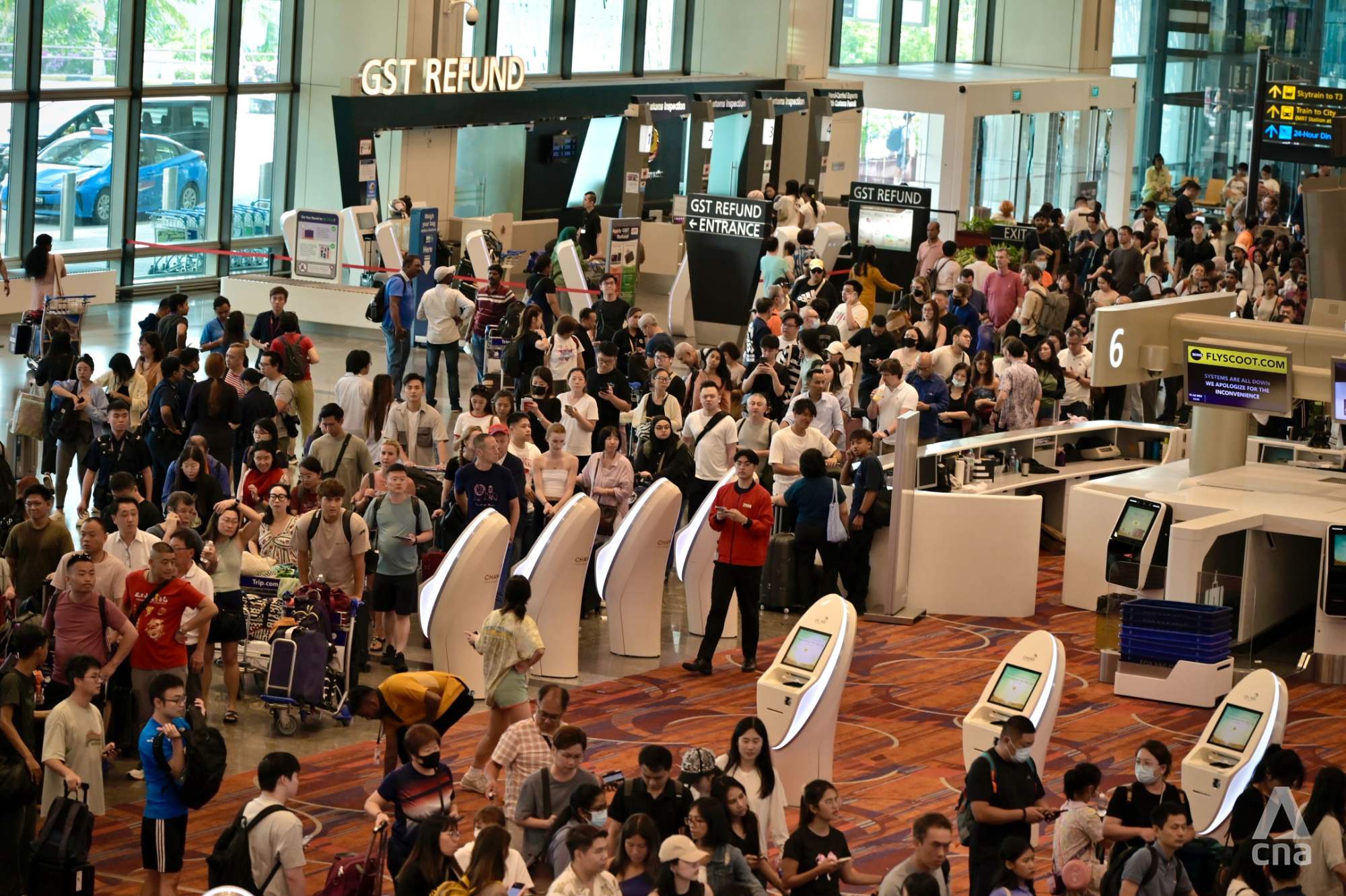
This tax is a significant aspect of Singapore's customs policy and can lead to penalties if not properly managed. Knowing the rules ahead of time can help you avoid complications at the border.
GST Relief Allowances

If you have been overseas for 48 hours or more, you can bring in goods valued up to S$500 (approximately US$390) without paying GST. For trips shorter than 48 hours, the relief limit drops to S$100. This relief is specifically designed to ease the burden on travelers and is a key aspect of Singapore’s approach to tourism.

It’s important to note that this relief does not apply to alcohol and tobacco products, which are subject to higher tax rates. According to The Straits Times, exceeding these limits results in taxable amounts that must be declared either before or upon arrival, potentially leading to fines.

Recent Enforcement Actions

In recent months, nearly 200 tourists faced penalties at Singapore’s land, air, and sea checkpoints for attempting to smuggle cash and evade taxes on imported goods. Reports from Asia One indicated that 153 tourists were caught for failing to declare items, including tobacco, alcohol, and luxury goods.
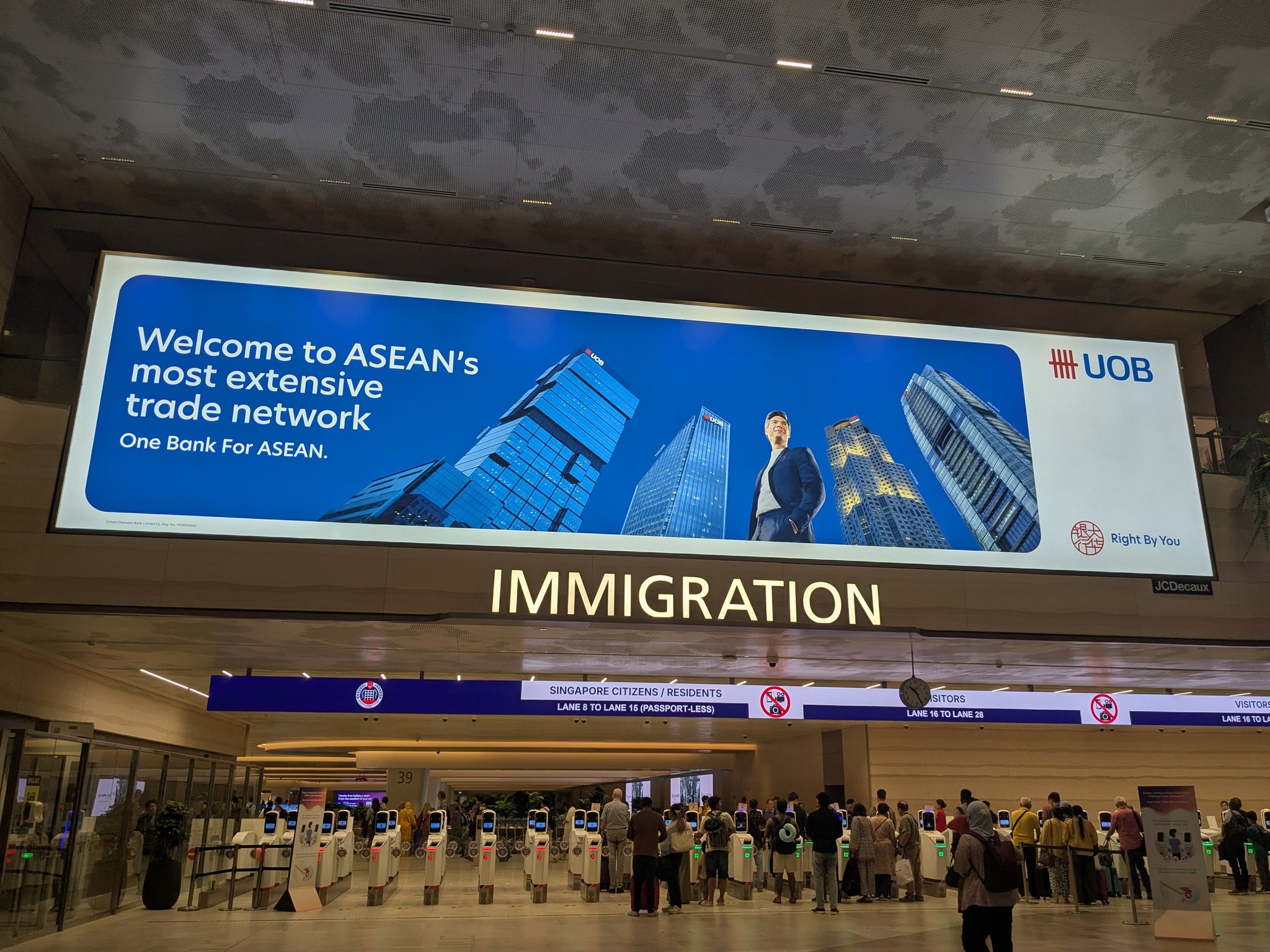
These incidents highlight the importance of being informed about customs regulations and understanding the potential consequences of non-compliance.

Declaration of Goods

Travelers must declare all items acquired overseas, whether they are new purchases or items used during the trip, such as jewelry, designer handbags, and clothing. Singapore Customs mandates that all goods brought into the country are subject to GST, regardless of whether you have already paid foreign sales tax or VAT.

Misconceptions often lead to confusion; for instance, removing price tags or buying second-hand items does not exempt these goods from taxation. Only items already owned before leaving Singapore qualify as personal belongings that are exempt from GST.

Gifts and GST

Another common misunderstanding is that gifts are exempt from GST. In reality, all goods, including gifts, are taxed based on their total value upon entry. If someone gifts you a luxury bag worth S$5,000, you must declare it if it exceeds the GST relief threshold.
If a receipt is unavailable, customs officers will assess the item's value based on the price of similar goods. This can lead to unexpected tax liabilities, making it essential for travelers to be aware of the rules regarding gifts.

Additional Tips for Travelers

  • Know the Prohibited Items: Familiarize yourself with items that are prohibited or restricted in Singapore. This includes certain types of drugs, pornography, and items that may infringe on intellectual property rights. The Singapore Customs website provides a comprehensive list of these items.
  • Use the Customs@SG App: This app not only allows for pre-declaration but also provides up-to-date information on customs regulations and guidelines. It’s a handy tool for travelers to have on their smartphones, allowing for easier navigation of customs processes.
  • Keep Receipts: Always keep receipts for high-value items, especially luxury goods. This can facilitate the declaration process and provide proof of purchase if customs officers need to assess the value of your items.
  • Travel Insurance: Consider getting travel insurance that covers customs-related fines or losses. This can provide peace of mind, especially for high-value items or if you are unsure about what to declare.
  • Plan Your Arrival: Arrive at customs checkpoints during off-peak hours if possible. This can reduce waiting times and make the process smoother, allowing you to start your visit without delays.
  • Pack Smartly: Organize your luggage so that items requiring declaration are easily accessible. This will speed up the inspection process and minimize hassle during customs checks.
  • Consult Customs Officials: If you are ever in doubt about whether an item needs to be declared, consult customs officials at the airport or checkpoint. It’s always better to ask than to risk penalties.
  • Stay Updated: Customs regulations can change, so it’s wise to check the Singapore Customs website for the latest updates before your trip. This ensures you have the most current information regarding what you can bring into the country.

Kuwait Airport Ready to Resume Full Operations After Security Measures, Official Says

Published: Wednesday, May 06, 2026
Kuwait Airport Ready to Resume Full Operations After Security Measures, Official Says
Top Stories

Kuwait’s acting director general of civil aviation, Duaij Al-Otaibi, has said that Kuwait International Airport is secure and prepared to fully resume operations once clearance is granted by the relevant authorities.

Speaking to Kuwait News Agency on Monday, Al-Otaibi stressed that safeguarding passengers, personnel and infrastructure remains the primary concern guiding all operational decisions. He described the current security arrangements as precautionary steps aimed at maintaining high protection standards, acknowledging that they may cause some inconvenience to travellers.

He noted that the airport is gradually restoring activity levels to those seen before the recent Iranian aggression, with improvements underway in both performance and operational efficiency. Passenger flow is being carefully managed to ensure smooth movement from parking areas to terminals.

As part of temporary security protocols, boarding gates are not currently in use, with passengers transported to aircraft by bus. Authorities are reviewing the situation and may reinstate standard boarding procedures following further assessment.

Additional support has been introduced for elderly passengers and those with disabilities, including electric wheelchairs and improved access through elevators. Al-Otaibi added that the main terminal entrance is expected to reopen in the coming days after coordination with key bodies such as the Ministry of Interior and the General Fire Force.

He said the measures form part of a wider safety strategy, supported by weekly operational reviews to facilitate a phased return to normal services.

Al-Otaibi also revealed that the airport’s control tower—considered among the most advanced globally—was targeted during the recent attack, with damage recorded through audio and video documentation. The incident drew condemnation from the International Civil Aviation Organization. He added that radar and technical systems were quickly repaired through coordinated efforts and leadership support.

Senior officials, including His Highness Sheikh Ahmed Abdullah Al-Ahmed Al-Sabah, conducted on-site inspections to assess the damage and commended the level of preparedness and compliance with safety standards. The Civil Aviation Authority, led by Sheikh Hamoud Mubarak Al-Hamoud Al-Sabah, implemented emergency and security protocols in coordination with multiple agencies, reflecting a high level of institutional cooperation.

Al-Otaibi also acknowledged the role of Sheikh Abdullah Ali Abdullah Al-Salem Al-Sabah in overseeing readiness efforts, as well as the support of the General Authority of Civil Aviation for facilitating Kuwaiti airline operations through access to Saudi airports. He said such collaboration underscores the importance of Gulf cooperation in maintaining aviation continuity.

Highlighting Kuwait’s long-term ambitions, Al-Otaibi pointed to the country’s advanced infrastructure, including a modern third runway, an upgraded control tower and sophisticated air navigation systems, positioning it as a potential regional aviation hub. He also cited Kuwait’s strategic location and connectivity projects, including links to Mubarak Al-Kabeer Port, as key factors supporting its development as a logistics centre.

Looking ahead, he outlined plans to establish a dedicated aviation academy to train national talent, noting the increasing participation of young Kuwaitis in the sector and the need to expand training programmes to meet future demand.

Despite ongoing regional tensions, Al-Otaibi said the security situation remains stable. He advised passengers to follow official guidance, avoid congestion, arrive at the airport at least three hours before departure and refrain from making unnecessary bookings that could disrupt operations.

Source: QCAA NEWS

Nigeria Sets Jet Fuel Price Limits to Stabilise Airline Operations

Published: Sunday, May 03, 2026
Nigeria Sets Jet Fuel Price Limits to Stabilise Airline Operations
Top Stories

Nigeria’s government has imposed limits on jet fuel prices and approved credit arrangements for airlines in an effort to prevent widespread flight disruptions linked to sharply rising fuel costs, according to an official document reviewed by Reuters.

The Nigerian Midstream and Downstream Petroleum Regulatory Authority (NMDPRA) set indicative retail price ranges for aviation fuel between 1,760 naira and 1,988 naira per litre in Lagos, and between 1,809 naira and 2,037 naira in Abuja. These benchmarks are based on pricing data from April 17 to April 23.

Despite the pricing framework, the regulator cautioned that volatility in global energy markets, including tensions involving the United States and Iran, as well as higher supplier costs, could still push prices upward.

Neither the NMDPRA nor the aviation ministry immediately responded to requests for comment.

The policy shift follows emergency discussions triggered by airline warnings that jet fuel prices had surged by more than 270%. Operators said the spike had forced fare increases and raised concerns over potential capacity reductions.

Last week, President Bola Tinubu approved a 30% relief measure on airline debts owed to aviation agencies. He also directed fuel suppliers, airlines, and regulators to agree on a “fair” pricing structure within 72 hours to avoid disruption across the aviation sector.

As part of the agreed measures, airlines will be granted a 30-day credit period for fuel purchases. The aviation ministry has also been tasked with mediating outstanding debt disputes between operators and petroleum marketers, according to the document.

A technical committee established by the NMDPRA recommended that fuel marketers supply airlines directly within the approved price band, a move intended to reduce costs and improve transparency in the supply chain.

The committee also called for engagement with Dangote Petroleum Refinery and Petrochemicals regarding recently increased premiums applied to international pricing benchmarks used for jet fuel.

Additional recommendations include stricter validation of fuel distributors operating in airport zones, which could reduce the number of authorised suppliers, as well as exploring the inclusion of jet fuel under Nigeria’s naira-for-crude programme to limit airlines’ exposure to foreign exchange fluctuations.

(Exchange rate used: $1 = 1,360.5 naira)

Source: ZAWYA

Dubai Introduces New Aviation Directive to Enhance Passenger Rights and Complaint Handling

Published: Sunday, May 03, 2026
Dubai Introduces New Aviation Directive to Enhance Passenger Rights and Complaint Handling
Top Stories

The Dubai Civil Aviation Authority (DCAA) has introduced a new Aviation Consumer Welfare Directive designed to enhance passenger rights and improve how complaints and disputes are managed within the emirate’s aviation sector.

The initiative establishes a structured regulatory system that defines the relationship between passengers, airlines, and licensed travel agencies. It also introduces formal mediation processes, giving the regulator a more active role in resolving conflicts and protecting consumer interests.

Under the new framework, passengers will have access to a clearer and more transparent process for lodging and monitoring complaints. The DCAA will act as an intermediary, facilitating communication between involved parties and overseeing resolution procedures. Authorities say the system is intended to strengthen accountability and build greater trust across the aviation ecosystem.

The directive applies to all passengers travelling through Dubai’s airports, as well as airlines and authorised travel agents operating in the emirate. By formalising operational and service expectations, the framework aims to reduce disputes and improve consistency in handling passenger concerns.

The DCAA will be responsible for implementing and supervising the system, including establishing regulatory standards, enabling mediation channels, and ensuring compliance among all stakeholders. The broader objective is to improve service quality and enhance the overall passenger experience across Dubai’s aviation sector.

Source: ZAWYA

Dubai Introduces New Directive to Enhance and Protect Passenger Rights

Published: Thursday, April 30, 2026
Dubai Introduces New Directive to Enhance and Protect Passenger Rights
Top Stories

The Dubai Civil Aviation Authority (DCAA) has introduced a new Aviation Consumer Welfare Directive designed to reinforce protections for airline passengers and improve how complaints and disputes are handled within Dubai’s aviation industry.

The directive sets out a unified regulatory structure defining the relationships between passengers, airlines, and licensed travel agents. It also introduces a formal mediation process intended to resolve disagreements more efficiently, reflecting a more proactive regulatory approach to consumer protection.

Under the new system, passengers will have access to a transparent mechanism for lodging complaints and tracking their progress. The DCAA will act as a facilitator between relevant parties, ensuring communication is streamlined and disputes are addressed through structured resolution channels. Authorities say the initiative is intended to strengthen trust and accountability across the aviation sector.

The framework covers all passengers travelling through Dubai’s airports, along with airlines and authorised travel agencies operating in the emirate. By formalising operational relationships, it aims to improve transparency and reduce friction in the handling of customer grievances.

The DCAA will oversee the implementation of the directive, including the establishment of regulatory standards, mediation processes, and compliance monitoring. The authority stated that the broader objective is to enhance service quality and improve the overall passenger experience across Dubai’s aviation network.

Source: ZAWYA

Hamad International Airport Welcomes More Airlines, Including Air India and Ethiopian

Published: Thursday, April 30, 2026
Hamad International Airport Welcomes More Airlines, Including Air India and Ethiopian
Top Stories

Hamad International Airport has confirmed a continued expansion in flight activity, with more international airlines restoring operations as connectivity to Doha gradually strengthens.

In a statement shared عبر social media, the airport said additional airline partners are rejoining its network, noting that services are being reinstated in stages. Passengers were advised to check directly with their respective airlines for booking details and updated schedules.

Operational updates indicate a phased return of carriers over several weeks. flydubai resumed flights on April 21, followed by Air Arabia on April 22.

On April 23, services restarted for Oman Air, Tarco Aviation, US-Bangla Airlines, and Royal Jordanian.

Further resumptions followed on April 26, with Biman Bangladesh Airlines, Middle East Airlines, and Nepal Airlines returning to service. The next day saw operations restart for Badr Airlines and Syrian Air.

On April 28, flights resumed for EgyptAir and Himalaya Airlines.

Looking ahead, additional carriers are scheduled to return in May. Air India, Air India Express, and Gulf Air are expected to resume on May 1. Ethiopian Airlines will follow on May 4, with SriLankan Airlines on May 11 and Kam Air on May 16.

Royal Air Maroc is scheduled to restart operations later in the summer, beginning July 1.

Airport authorities emphasized that all flight activity is being coordinated closely with relevant regulators and airline partners. They also cautioned that schedules remain subject to change, with possible adjustments or cancellations due to factors outside operational control.

Source: ZAWYA