Wednesday, 01 April 2026

Indian Tejas Fighter Jet Crashes During Dubai Airshow, Investigation Underway

Published: Saturday, November 22, 2025
Indian Tejas Fighter Jet Crashes During Dubai Airshow, Investigation Underway
Top Stories

A tragic incident occurred during the Dubai Airshow on Friday when an Indian Tejas fighter jet crashed in a fiery explosion, sending shockwaves through the audience. The Indian Air Force (IAF) confirmed the crash and announced the formation of a court of inquiry to investigate the cause.
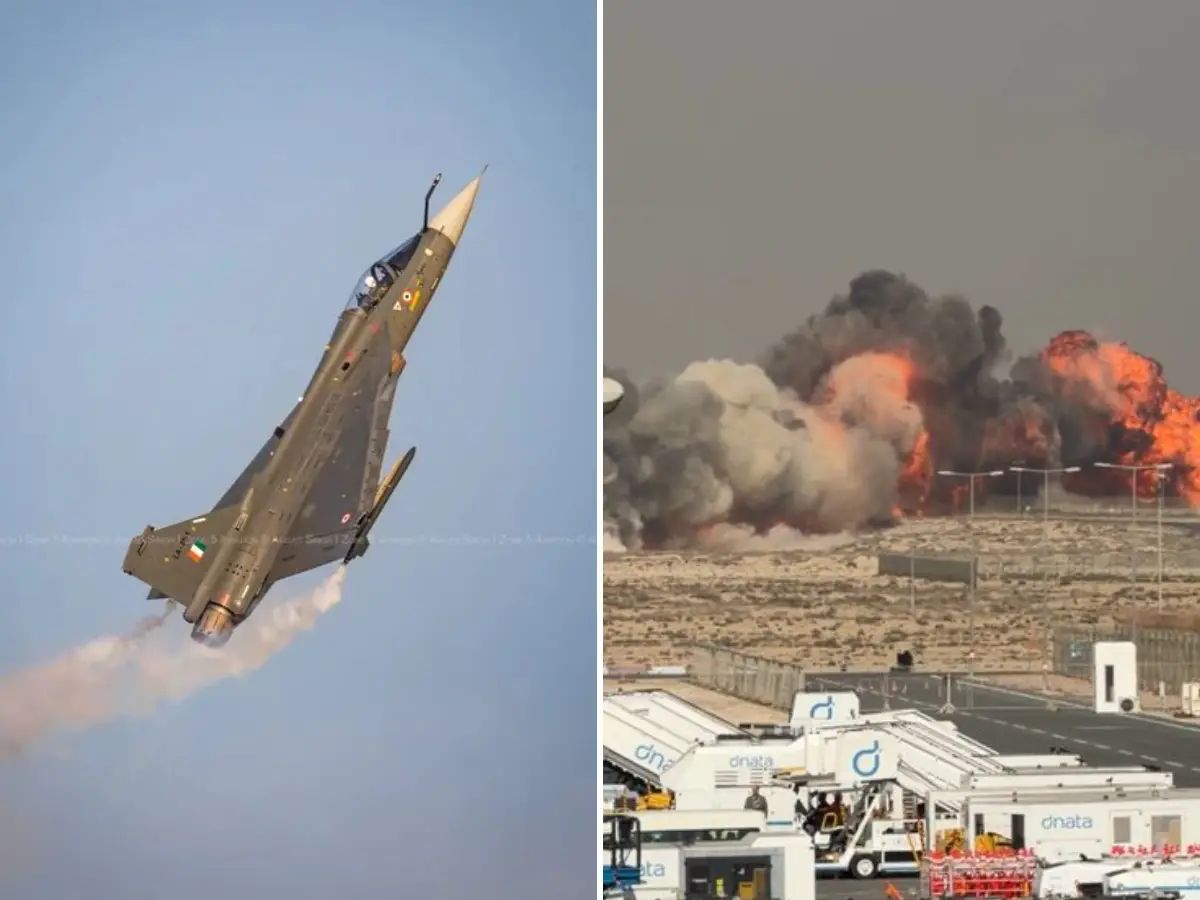
Witnesses at the airshow, including Jignesh Variya, 46, who was attending the event with his family, described the harrowing scene. Variya said the jet had been airborne for only eight or nine minutes, completing two to three laps before it suddenly nosedived and crashed at around 2:15 p.m. local time (1015 GMT). "I saw three different fireballs when it collided with the ground," Variya recounted. The crowd stood in shock as emergency vehicles arrived swiftly at the crash site.

This marks the second known crash of the Tejas fighter, developed by state-owned Hindustan Aeronautics Ltd (HAL) and powered by General Electric engines. The first crash occurred during an exercise in India in 2024. The Tejas, which means "brilliance" in Sanskrit, is integral to India's effort to modernize its air force, which relies heavily on Russian and ex-Soviet aircraft.
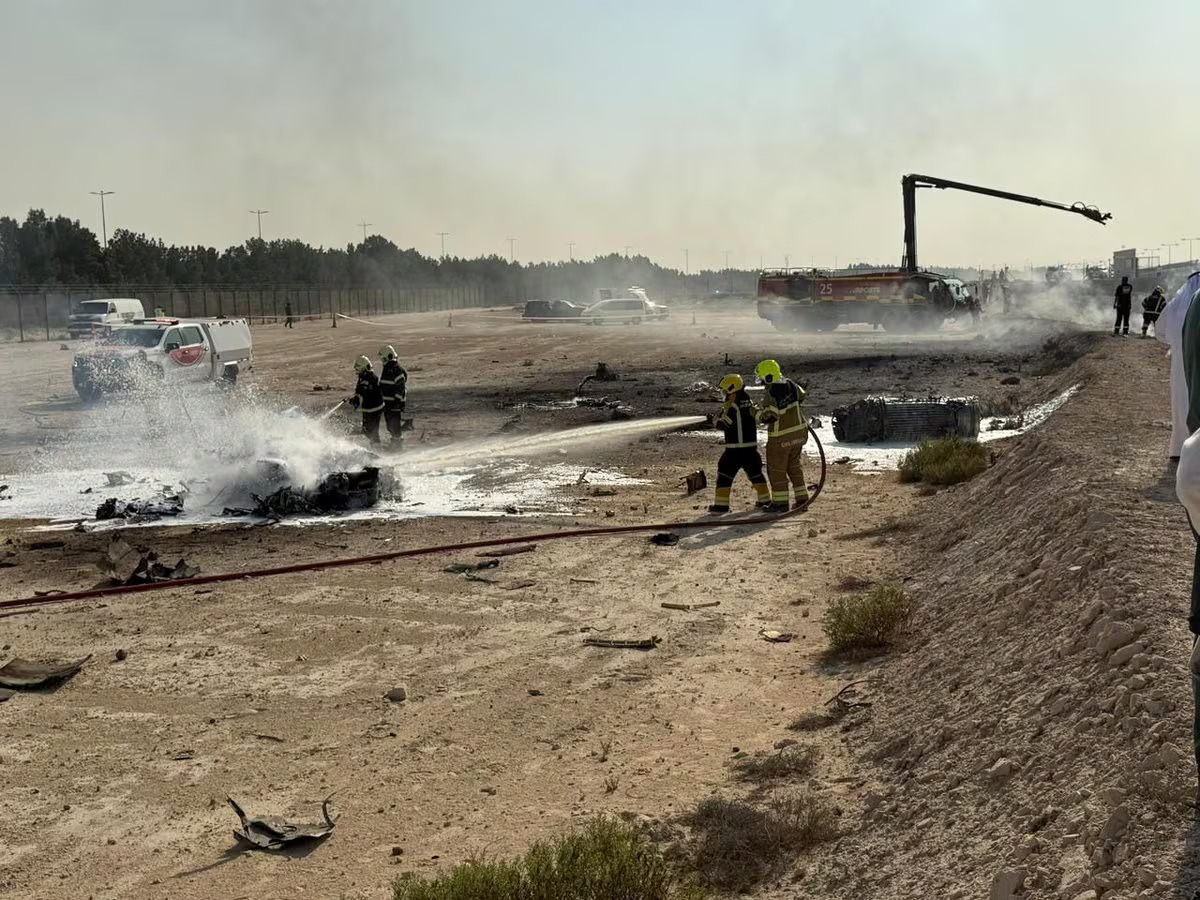
The accident occurred on the final day of the Dubai Airshow, the Middle East’s largest aviation event, which began earlier in the week. Despite the crash, flying resumed later on Friday, with aircraft taking to the skies once again.

The Indian Air Force expressed condolences and confirmed the investigation into the cause of the crash. "A court of inquiry is being constituted to ascertain the cause of the accident," the IAF said in a statement. General Electric, which supplies the engines for the Tejas, also offered support for the investigation. "We are deeply saddened by the loss of the Indian Air Force Tejas fighter jet at the Dubai Airshow and extend our heartfelt sympathies to the loved ones of the pilot," said a GE spokesperson.

Emergency response teams from Dubai were on-site, managing the situation swiftly after the incident. The Tejas, which first flew in 2001, was designed as a light combat aircraft to replace India's aging MiG-21 fleet. India plans to operate a fleet of nearly 220 Tejas fighters and their advanced Mk-1A variants over the next decade.
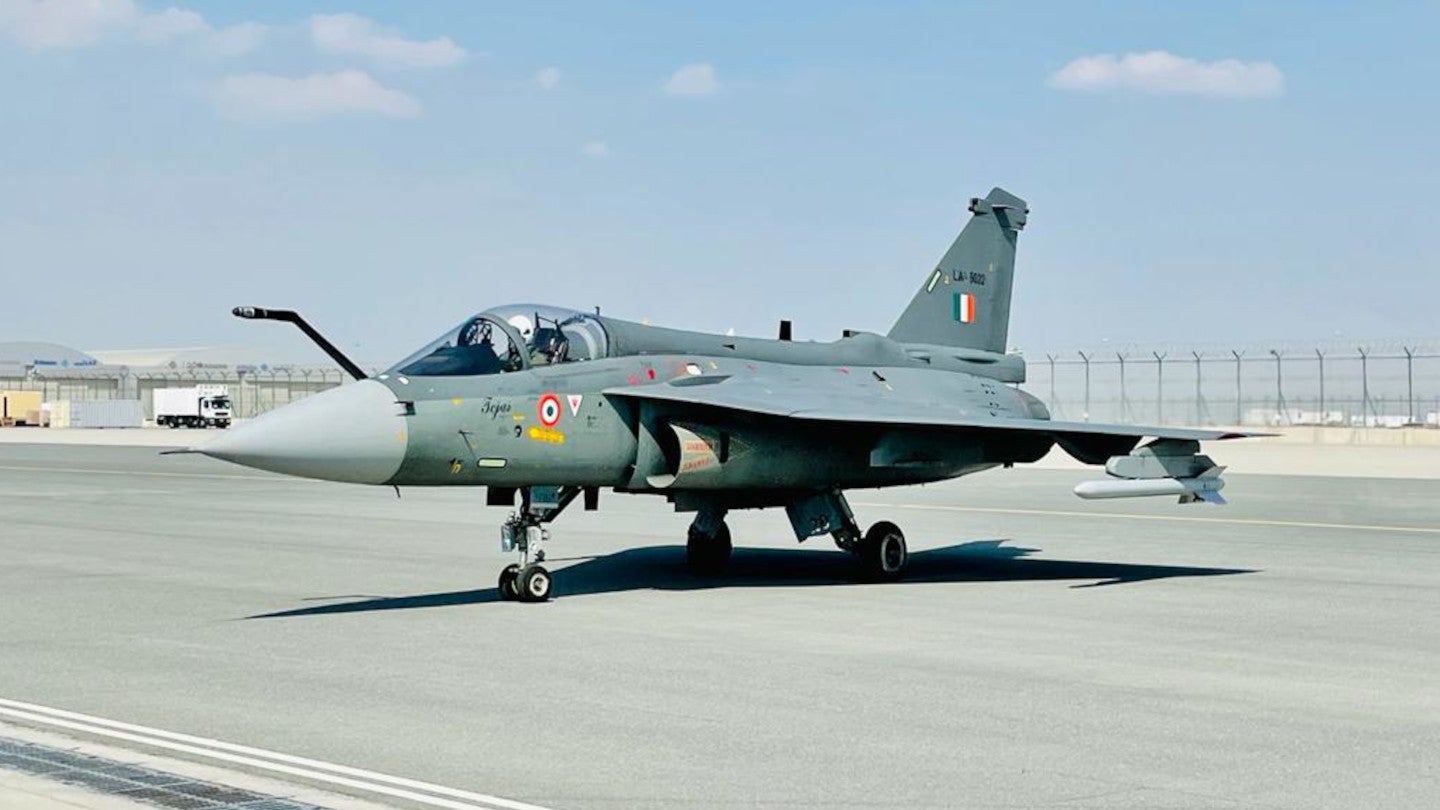
The crash occurred during a pivotal moment for India’s defense industry, as the Tejas was being showcased to potential foreign buyers at the airshow. Despite challenges with slow engine deliveries from GE, which were affected by post-COVID supply chain issues, India remains optimistic about generating international interest. "This is the first fully domestic Indian fighter not based on foreign designs," said Francis Tusa, a defense analyst based in Britain. "The Tejas Mark II is also in development," he added.

India’s Vice Chief of Air Staff, Air Marshal Narmdeshwar Tiwari, had previously expressed hopes that the aircraft's display at the airshow would spark greater interest from international buyers. However, this tragic crash has overshadowed those expectations.

The Dubai Airshow, one of the world’s largest, is renowned for its bold displays, showcasing a range of aircraft from global manufacturers, including Chinese, Russian, Indian, and Pakistani military hardware. This incident marked the first crash in the airshow’s history.

Pakistan Keeps Airspace Closed to Indian Airlines Through April 24

Published: Thursday, March 19, 2026
Pakistan Keeps Airspace Closed to Indian Airlines Through April 24
Top Stories

India and Pakistan have maintained mutual restrictions on each other’s airspace since April 2025, a situation that continues to affect commercial aviation across the region. While international airlines are still permitted to use the airspace of both countries, carriers from India and Pakistan remain barred from crossing into each other’s territory.

The Pakistan Airports Authority (PAA) confirmed on Wednesday that its airspace will remain closed to all Indian-registered aircraft, including those operated, owned, or leased by Indian airlines, as well as military flights, until early April 24. The restriction was first imposed on April 24, 2025, following Indian missile strikes linked to Operation Sindhoor.

Subsequently, Pakistan extended the closure to international traffic on May 7, 2025, before reopening its skies a day later for non-Indian airlines. Since then, both nations have continued issuing monthly Notices to Airmen (NOTAMs) to reaffirm the ongoing restrictions.

The impact of these measures has been uneven. Indian carriers, particularly those operating from northern hubs such as New Delhi, have been forced to reroute flights to avoid Pakistani airspace. These detours have significantly increased operational costs and flight durations.

The situation has been further complicated by regional instability, including conflict in Iran, which has pushed Indian airlines to adopt longer routes over Africa for Europe-bound flights. In many cases, this has extended travel times by up to two hours.

Long-haul services have also been affected. For example, flights from New Delhi to New York operated by Air India now often include a stopover in Europe, stretching total journey times to approximately 22 hours. By comparison, US-based carriers that can traverse Pakistani airspace complete similar routes in around 16 hours.

Air India has estimated that the restrictions are costing the airline roughly $600 million annually. A company representative recently noted at an international aviation forum in Mumbai that competitors have increasingly captured market share as a result of these operational challenges.

Passenger trends reflect this shift. While international airlines operating direct services between Bengaluru and London have reported growing demand, Air India has not experienced a similar increase, largely due to the longer and less efficient routes it must operate.

Source: Khaleej Times

UK Sends Four More Typhoon Jets to Qatar to Boost Regional Defense

Published: Thursday, March 05, 2026
UK Sends Four More Typhoon Jets to Qatar to Boost Regional Defense
Top Stories

In a move to bolster regional security, the United Kingdom has confirmed the deployment of four additional Typhoon jets from the Royal Air Force to Qatar. This strategic reinforcement is part of ongoing efforts to support defensive operations in the region, further solidifying the UK’s commitment to regional stability.

The newly dispatched jets will supplement the existing aircraft stationed at the UK-Qatar Joint Typhoon Squadron. These jets were first deployed in January to enhance security measures, protect British nationals, and safeguard the country's interests in the region.

This latest deployment signals the UK's unwavering support for its allies and its determination to take all necessary steps to ensure the protection of its citizens and national assets. The UK government has reiterated that it will continue to work closely with international partners to maintain peace and security in the region.

Iranian Foreign Minister Contacts Qatar’s Prime Minister as Tensions Escalate

Published: Thursday, March 05, 2026
Iranian Foreign Minister Contacts Qatar’s Prime Minister as Tensions Escalate
Top Stories

Sheikh Mohammed bin Abdulrahman bin Jassim Al-Thani, Prime Minister and Minister of Foreign Affairs of Qatar, has firmly rejected Iranian claims regarding recent missile strikes, asserting that the attacks were directed at civilian and residential areas within Qatar, contradicting Iran's explanation that they were aimed at American interests.

During a phone call with Dr. Abbas Araghchi, Iran's Minister of Foreign Affairs, Sheikh Mohammed emphasized that the missile strikes, which impacted areas such as the vicinity of Hamad International Airport and key industrial zones, including facilities linked to liquefied natural gas production, violated Qatar’s sovereignty. He stressed that the evidence on the ground clearly disproved Iran’s assertions.

The Prime Minister described the missile attacks as a "flagrant violation" of both Qatar's sovereignty and international law. He further pointed out that these strikes were part of a broader escalation involving drones and aircraft, with the latter being intercepted by Qatar's armed forces as they entered the country’s airspace.

Sheikh Mohammed also condemned Iran's approach as "escalatory" and accused Tehran of attempting to draw neighboring countries into a conflict that does not concern them. He called for an immediate cessation of attacks on states that have sought to remain neutral, urging all parties to focus on the broader interests of regional peace and stability.

While reaffirming Qatar's commitment to dialogue and diplomacy, Sheikh Mohammed made it clear that the country would take necessary measures to protect its sovereignty and security. He pointed to Qatar’s right to self-defense under Article 51 of the UN Charter, stressing that such acts of aggression would not go unanswered.

Over 3,400 Flights Canceled Across Middle East Due to Airspace Closures

Published: Monday, March 02, 2026
Over 3,400 Flights Canceled Across Middle East Due to Airspace Closures
Top Stories

A significant disruption to air travel occurred on Sunday, as over 3,400 flights were canceled across seven major airports in the Middle East. According to flight tracker Flightradar24, the cancellations affected key transportation hubs in Qatar, the United Arab Emirates (UAE), and Bahrain, which experienced widespread airspace closures due to escalating regional tensions.

Airports including Hamad International Airport in Doha, Dubai International Airport, and Bahrain International Airport saw massive operational shutdowns, halting both domestic and international flights. The closures are linked to the ongoing geopolitical developments and airspace restrictions in the region.

This large-scale disruption has left thousands of passengers stranded, with many facing delays and extended waiting times as airlines and authorities work to manage the situation. Travelers are urged to check with airlines for updates on flight statuses, as the closures continue to impact flight schedules.

As the situation evolves, aviation authorities in the affected countries are monitoring the situation closely and providing updates as new information becomes available. Passengers are advised to stay informed through airline websites or customer service hotlines.

This comes as part of ongoing regional developments, which have led to airspace restrictions across several Middle Eastern countries.

Saudi Arabia Intercepts Iranian Missiles Targeting Riyadh Airport and Military Base

Published: Sunday, March 01, 2026
Saudi Arabia Intercepts Iranian Missiles Targeting Riyadh Airport and Military Base
Top Stories

Saudi air defense systems successfully intercepted Iranian missile strikes targeting both Riyadh’s international airport and the Prince Sultan Airbase, which is home to U.S. military personnel.

An unnamed source informed AFP that the missiles were intercepted on Sunday afternoon. "Saudi air defenses effectively neutralized the Iranian missiles near Riyadh airport and the Prince Sultan Airbase," the source stated, requesting anonymity due to the sensitive nature of the information.

Fortunately, the attack caused no disruption to air traffic and did not result in any casualties or damage. An observer near the airport reported witnessing and hearing the air defense intercept the missiles mid-air, highlighting the capability of the defense systems in place.

This missile interception comes amid a series of similar attacks across the Gulf, with airports in Dubai, Abu Dhabi, Kuwait, and Manama also targeted. Abu Dhabi authorities confirmed that one person died in the incident at their airport.

Saudi Arabia, which hosts U.S. military personnel and bases, remains a key ally in the region, although larger U.S. military installations are found in Bahrain and Qatar. The interception serves as a reminder of the growing security risks in the region, with rising tensions between Iran and its neighboring countries. Authorities are closely monitoring developments as the situation evolves.