
.webp)
.jpg)
Nestled in the heart of the Al-Baha Region, the Shada Al-Ala Mountain Reserve stands as one of Saudi Arabia’s most remarkable natural and historical landmarks a sanctuary where breathtaking geology, rich biodiversity, and ancient human heritage converge.
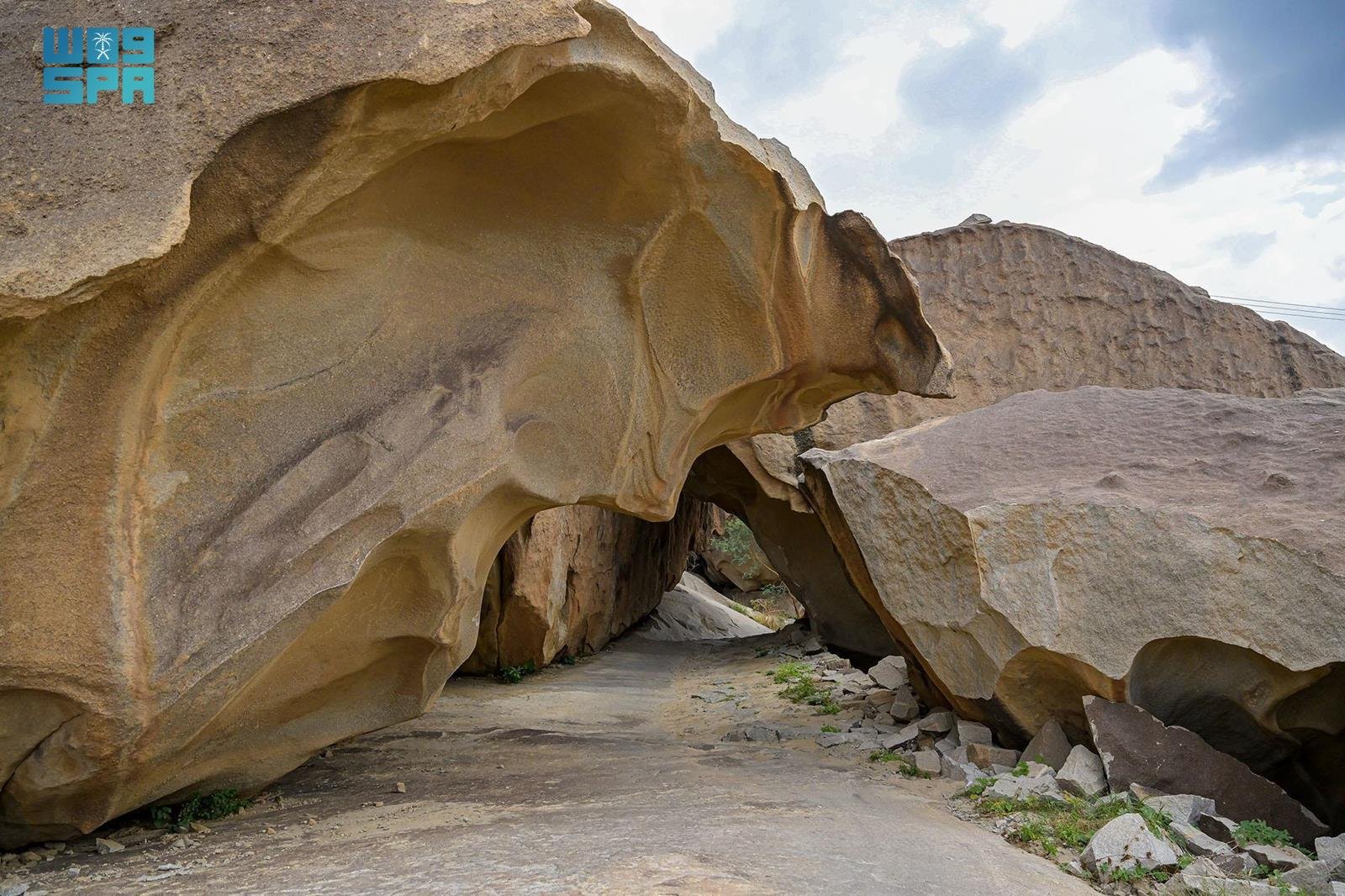
Located about 20 kilometers northwest of Al-Makhwah Governorate, this striking granite mountain rises steeply from the Tihama Plain, extending from the mighty Sarawat Range. Its highest summit, Jibal Mussala Ibrahim, reaches an elevation of around 2,200 meters above sea level, before sloping down to about 500 meters at Wadi Malil.
Formed over millions of years, Shada Al-Ala is celebrated for its geological beauty and biological richness. More than 500 plant species flourish here, including juniper, olive, tamarind, and the Namaqua fig, alongside aromatic and medicinal plants such as hop-bushes and basil.
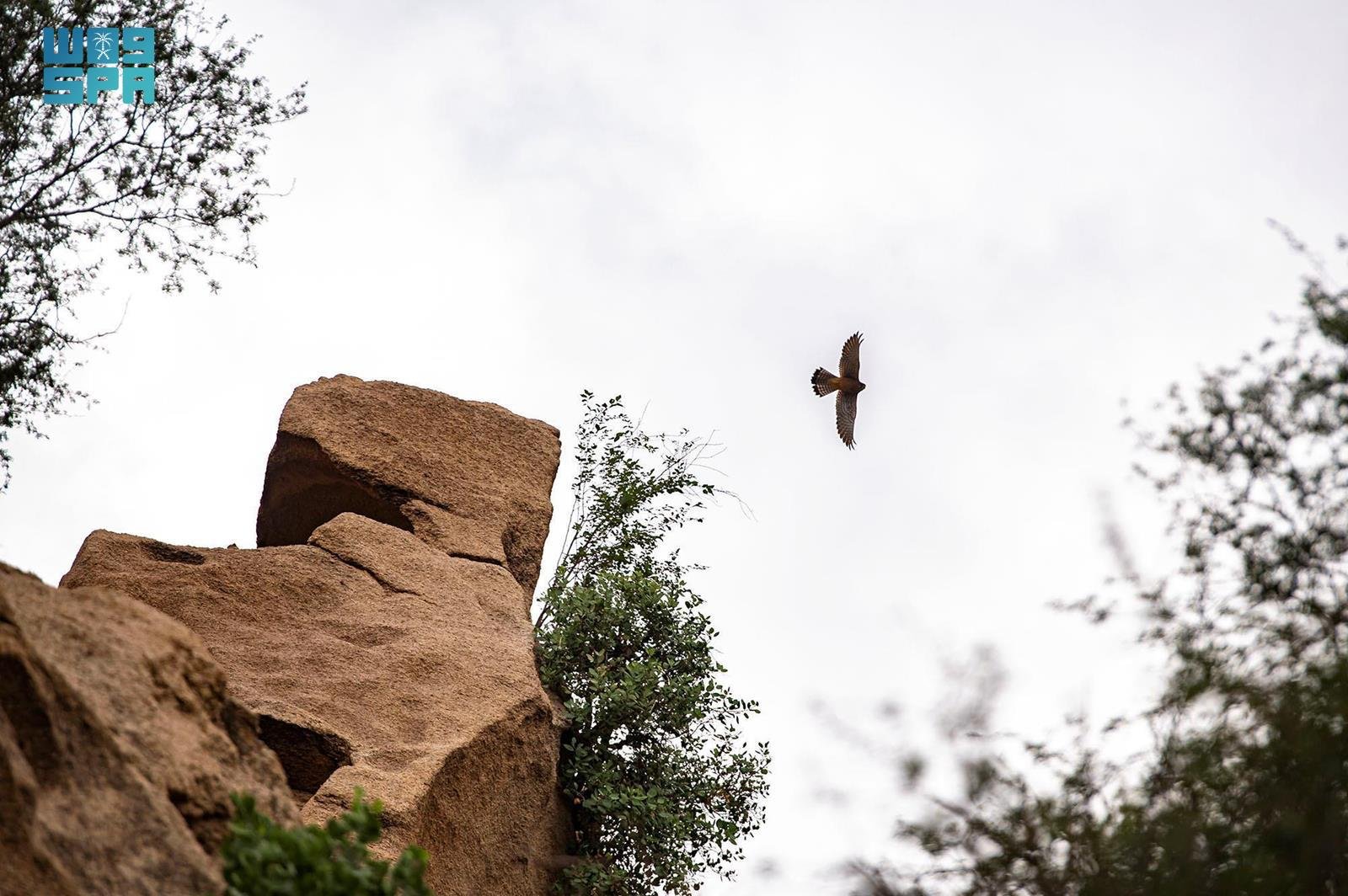
The reserve also shelters an impressive range of wildlife from the Arabian leopard, mountain ibex, and Arabian wolf to hyenas, foxes, and lynxes. Bird enthusiasts can spot eagles, kestrels, storks, and Arabian babblers, while reptiles such as turtles, snakes, and lizards thrive across its terrain.
Beyond its natural wonders, the reserve bears deep historical significance. Ancient rock carvings and inscriptions scattered across Shada Al-Ala reveal evidence of civilizations that have inhabited the area for thousands of years.
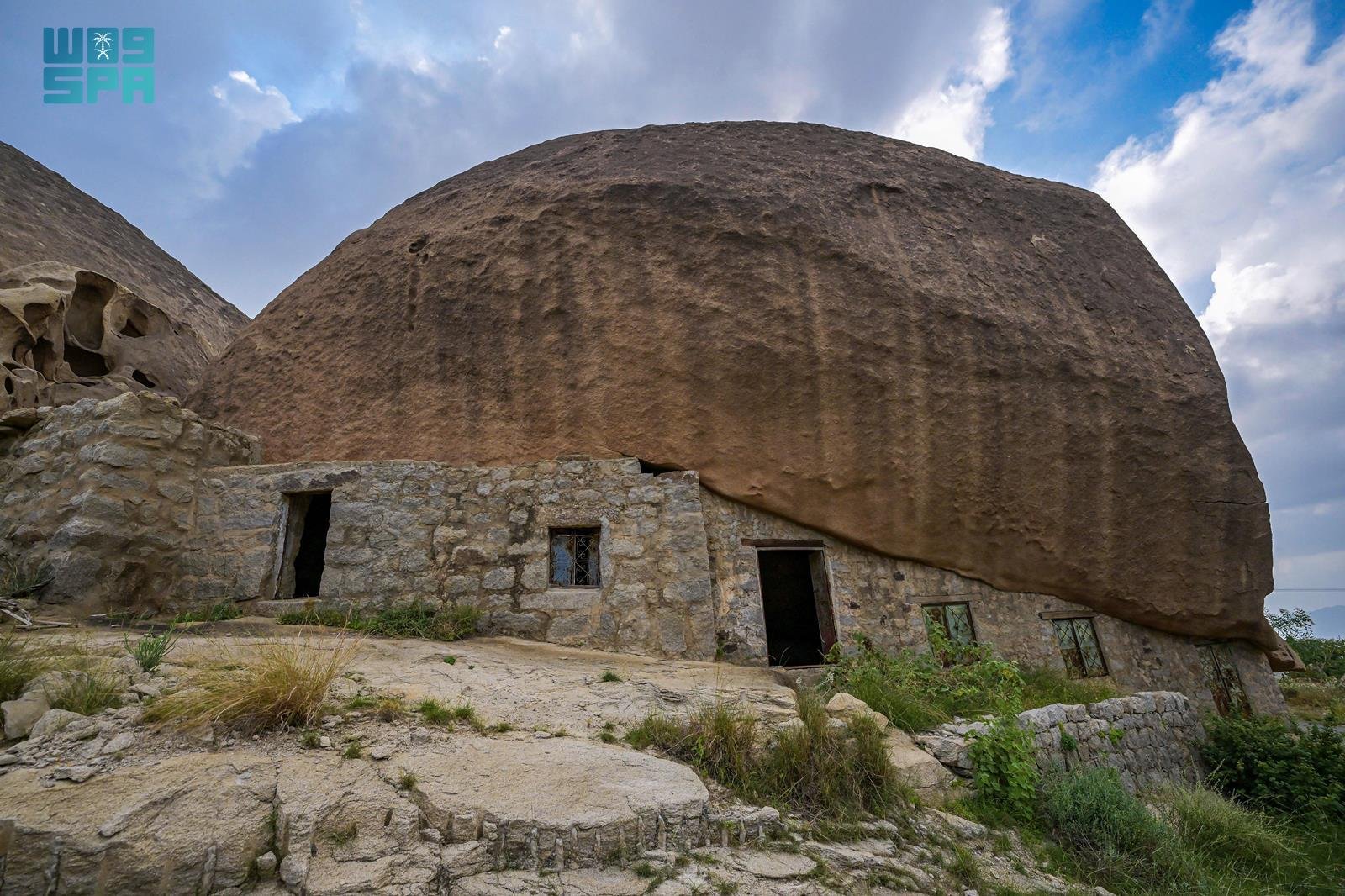
These early communities were drawn to its natural fortifications, fertile valleys, and abundant resources, leading to the establishment of villages that still exist today.
Modern-day Shada Al-Ala is home to around 2,500 residents living in about 10 villages, including Al-Saqran, Al-Sur, Al-Araba, and Al-Jawa. Locals continue age-old traditions of agriculture and coffee cultivation, producing the region’s renowned Shada coffee, along with wheat, millet, and fruits such as pomegranates, guavas, and bananas.
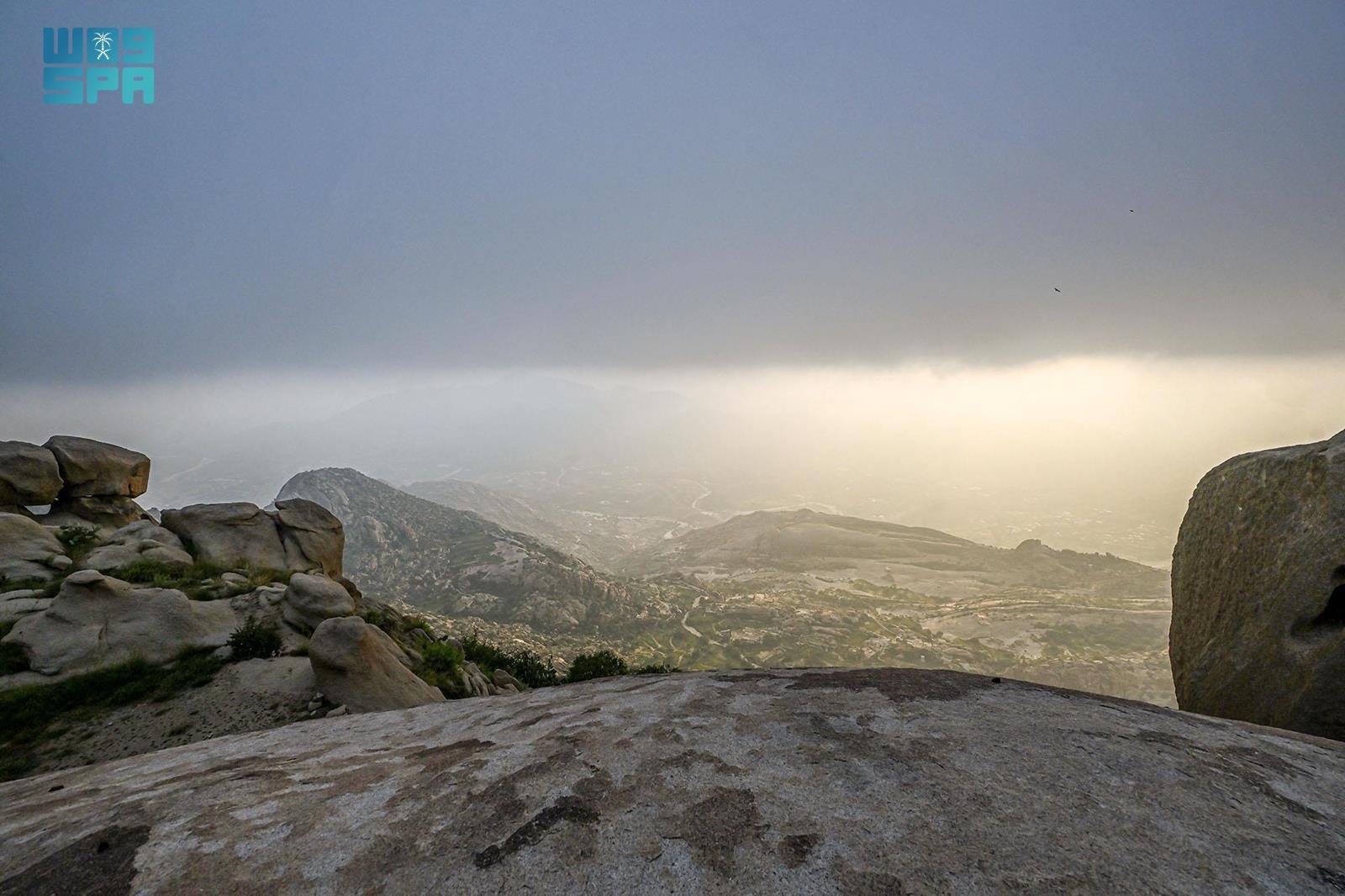
Ongoing efforts aim to preserve the reserve’s delicate ecosystem, protect endangered species, and promote sustainable tourism and local livelihoods, including coffee farming and beekeeping.
With its combination of natural grandeur, historical heritage, and environmental significance, Shada Al-Ala has become a beacon for eco-tourism and scientific research a living testament to Saudi Arabia’s natural diversity and cultural depth.
.jpg)
.jpg)

.jpg)
 (1) (1).jpg)

.jpg)
.jpg)
.jpg)
.jpg)

.jpg)
.jpg)


.jpg)

 (1).jpg)


 (2).jpg)
.jpg)
.jpg)
.jpg)


.jpg)


.jpg)
.jpg)
.jpg)


.jpg)
 (1) (1).jpg)
.jpg)
.jpg)


.jpg)
.jpg)
.jpg)