

.jpg)
Madinah’s culinary heritage has gained global recognition with the city being named a member of UNESCO’s Creative Cities Network in the field of gastronomy. The designation makes Madinah the second Saudi city to receive this honor, following Buraidah, and underscores the Kingdom’s expanding cultural and creative footprint on the world stage.
The announcement came on Oct. 31, coinciding with World Cities Day. It celebrates Madinah’s long-standing food traditions, shaped by its fertile lands, agricultural heritage, and centuries of cultural exchange along trade and pilgrimage routes.
Mayada Badr, CEO of the Culinary Arts Commission, said the achievement represents a major step in building a globally recognized and sustainable brand for Madinah’s cuisine. “Building a global culinary brand serves as the backbone for sustainably boosting tourism and empowering local producers,” she said.
The Culinary Arts Commission worked with several local partners to compile a comprehensive nomination dossier that met UNESCO’s strict standards. The submission included data, research, and documentation showcasing Madinah’s agricultural wealth, culinary diversity, and community involvement.
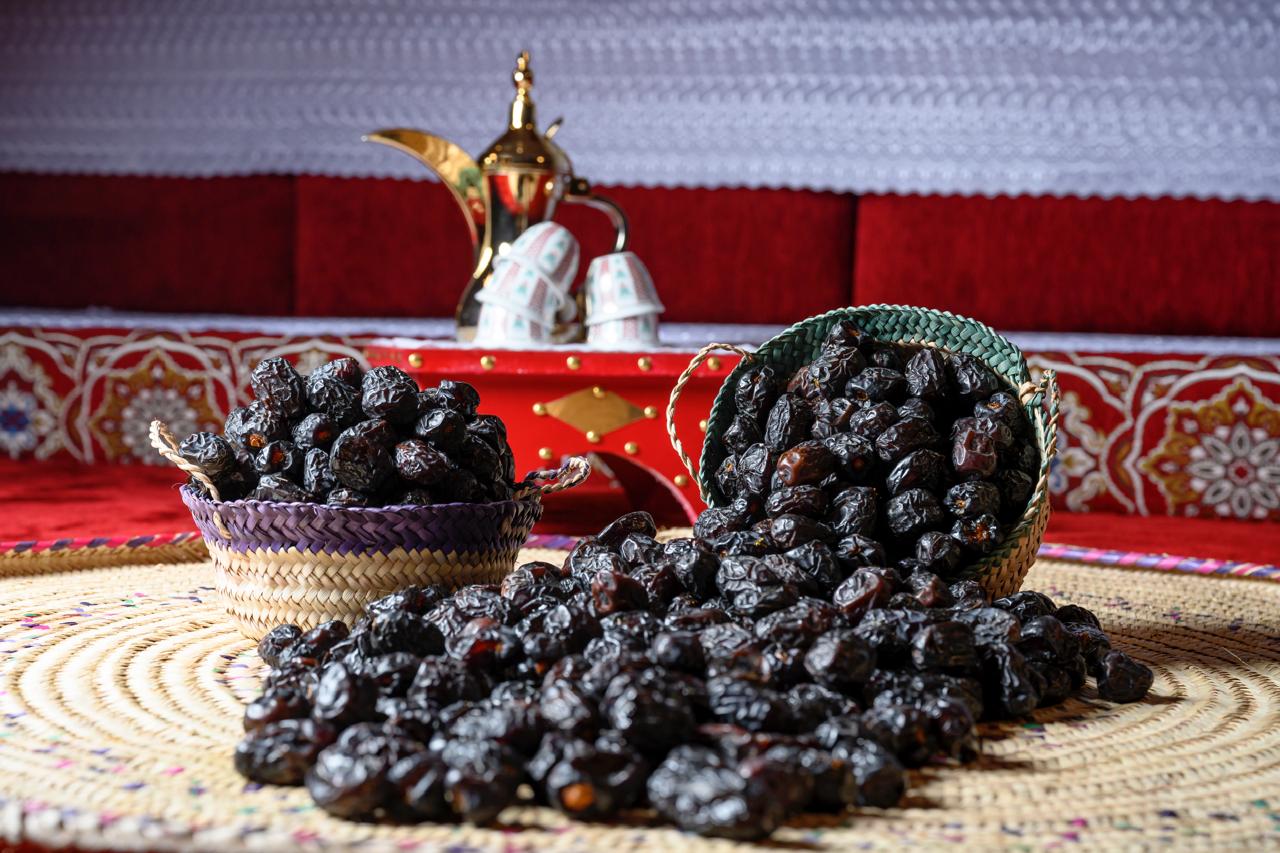
Madinah’s cuisine draws from both its natural bounty and its history as a crossroads for travelers. Its signature ingredients — including the world-famous Ajwa dates and locally cultivated herbs — represent more than flavor; they embody the city’s identity and connection to its people.
Badr emphasized that the recognition should translate into real, tangible benefits for the community. “Boosting tourism in Madinah starts with rethinking the city as not just a religious destination, but also as a cultural and culinary hub that encourages longer stays and higher visitor spending,” she said.
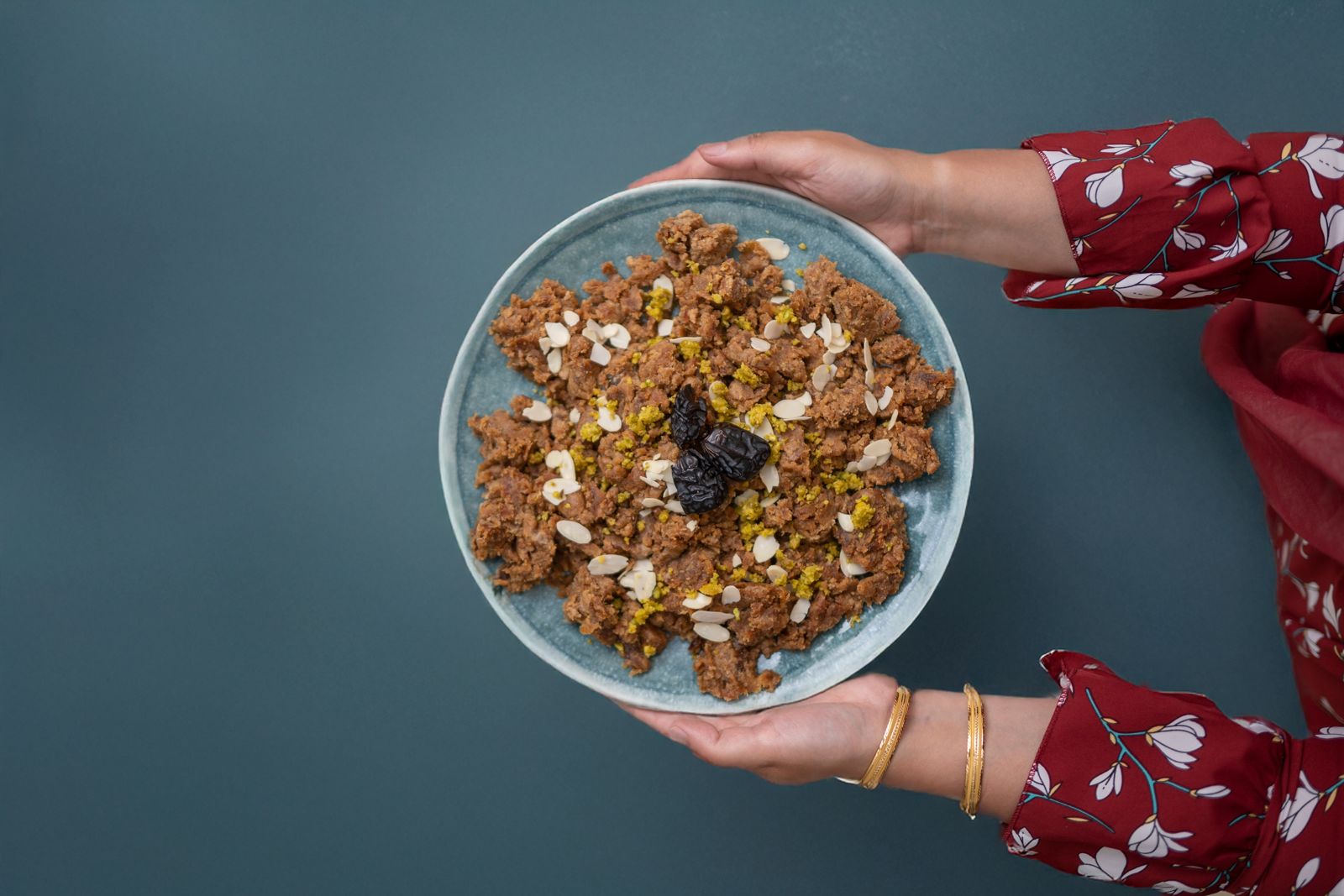
The recognition also promotes local development through small and medium-sized enterprises focused on traditional foods. One example is Al-Tabakha, Madinah’s first culinary market, which fosters collaboration between public and private sectors. The market allows families to sell their homemade products directly to local and international audiences.
Badr said that the commission plans to expand this model to other cities in the Kingdom. “Global recognition should empower ordinary citizens, creating more opportunities, higher income, and stronger visibility for small restaurants and producers,” she added.
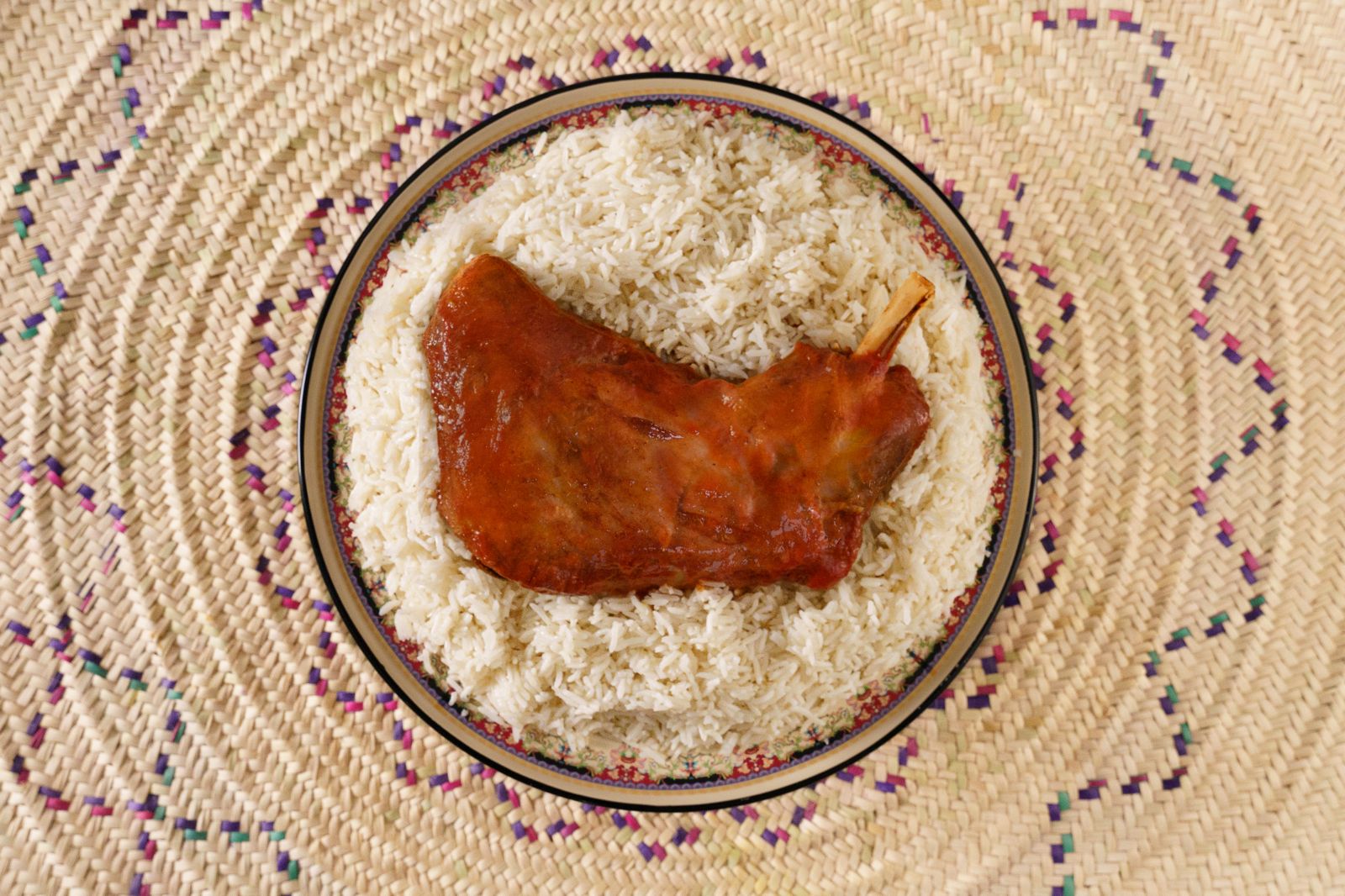
The Culinary Arts Commission’s collaborative approach involving government bodies, local communities, and businesses was key to Madinah’s success. It demonstrates how creativity and cultural heritage can drive sustainable economic development while preserving authenticity.
Since its launch in 2004, the UNESCO Creative Cities Network has sought to foster innovation and creativity as pillars of sustainable urban growth. Madinah’s inclusion not only celebrates its culinary identity but also strengthens Saudi Arabia’s growing role in shaping the global conversation around food, culture, and community-driven development.
.jpg)
.jpg)

.jpg)
 (1) (1).jpg)

.jpg)
.jpg)
.jpg)
.jpg)

.jpg)
.jpg)


.jpg)

 (1).jpg)


 (2).jpg)
.jpg)
.jpg)
.jpg)


.jpg)


.jpg)
.jpg)
.jpg)


.jpg)
 (1) (1).jpg)
.jpg)
.jpg)


.jpg)
.jpg)
.jpg)