Wednesday, 01 April 2026

World’s 9 Weakest Passports in 2025

Countries Where Traveling Abroad is Most Restrictive
Published: Friday, October 24, 2025
World’s 9 Weakest Passports in 2025
Top Stories

The 2025 Henley Passport Index reveals that millions of travelers continue to face enormous barriers to global mobility — with citizens from nine countries holding the weakest passports in the world. Based on data from the International Air Transport Association (IATA) and reported by the Times of India and Jagran Josh, the ranking exposes how political instability, security challenges, and limited diplomacy restrict international movement.

1. Afghanistan (Rank 104)
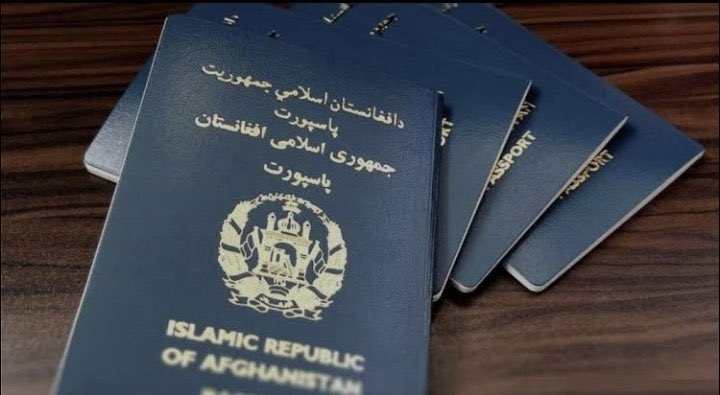
Afghan passport holders can enter only 25 countries without a prior visa, the lowest globally. Decades of conflict, terrorism, unstable governance, and limited diplomatic recognition have isolated Afghanistan, making international travel very restrictive. Most destinations require visas obtained through lengthy, uncertain processes. Afghanistan’s political turmoil remains a major factor behind its passport’s limited power.​

2. Syria (Rank 103)

Syria’s passport offers visa-free or visa-on-arrival access to just 29 countries. The country has been embroiled in a prolonged civil war since 2011, leading to diplomatic isolation and global sanctions. This, combined with security concerns, has led to many nations severely restricting entry for Syrians. Limited bilateral agreements further reduce travel freedom.​

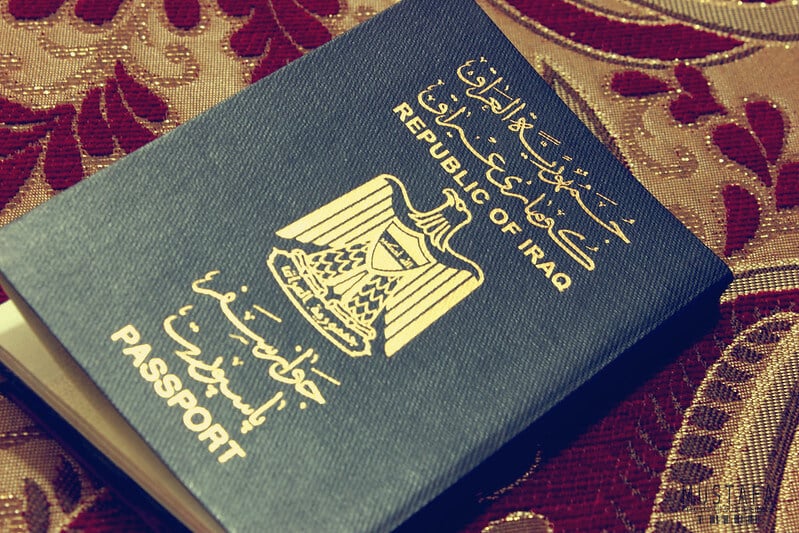
3. Iraq (Rank 102)

Iraqi citizens enjoy visa-free access to only 31 countries. Political instability and security concerns stemming from years of conflict have weakened global trust in Iraqi passports. Since March 2025, Iraq suspended many visa-on-arrival options, shifting to mandatory e-visas for most travelers, adding procedural barriers. The Kurdistan region has a separate visa scheme with slightly more flexibility but limited to the region.​

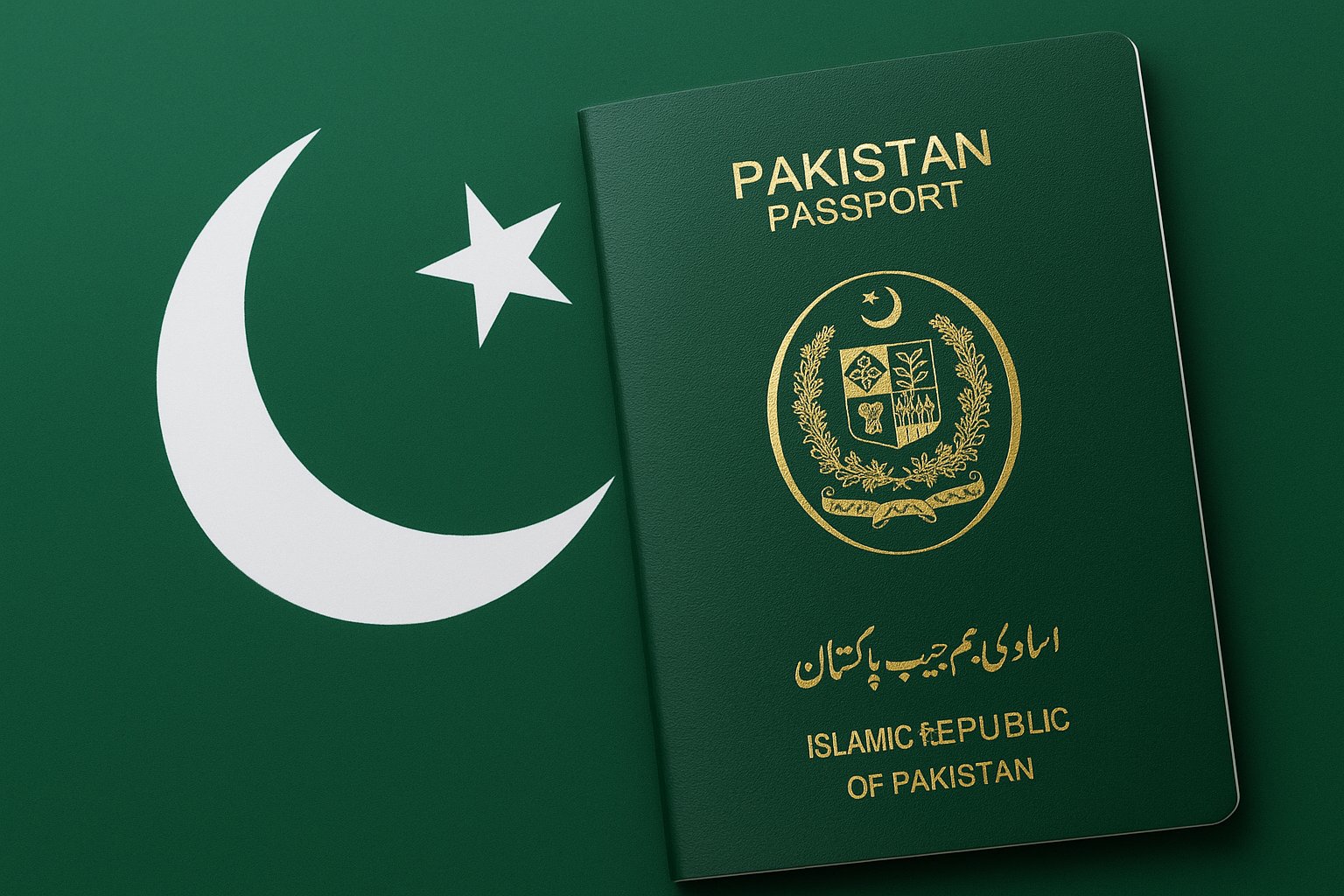
4. Pakistan (Rank 101)

Pakistan’s passport holders can travel visa-free or obtain visas on arrival in only 33 countries. Persistent political tensions, terrorism concerns, and security issues hamper travel freedom. Despite the government’s efforts to expand visa agreements, Pakistan remains near the bottom in global mobility. Notably, Pakistan ranks as the fourth weakest globally, closely grouped with Yemen and Somalia.​

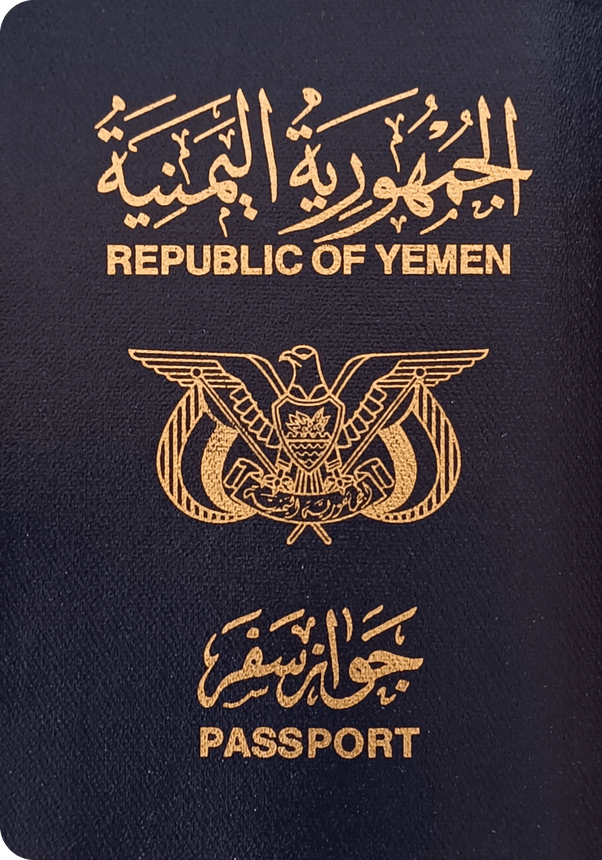
5. Yemen (Rank 101)

Yemen’s passport shares the same ranking as Pakistan, with access to 33 countries visa-free or visa-on-arrival. The protracted civil war, humanitarian crisis, and state fragmentation have contributed to severe travel limitations. Many countries require Yemeni travelers to obtain visas beforehand, and passport validity and recognition challenges exist due to multiple authorities issuing documents.​

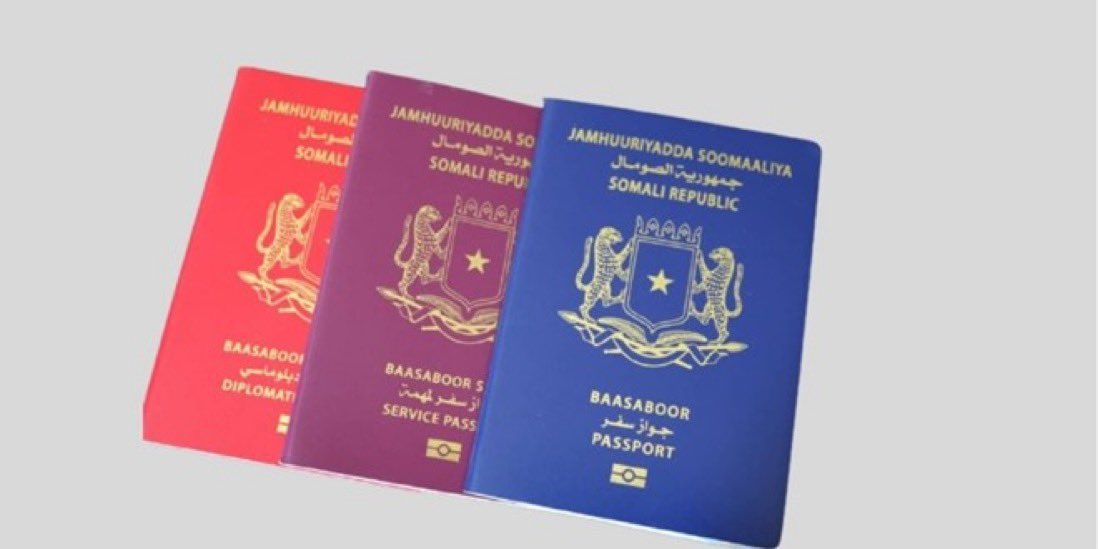
6. Somalia (Rank 100)

Somali passports provide visa-free access to 34 countries. The country’s reputation as a failed state with ongoing conflict and piracy has led many nations to restrict travel for Somali citizens. Additionally, some countries like the US and UK require supplementary documentation, such as residence permits, due to concerns over identity verification and security.​

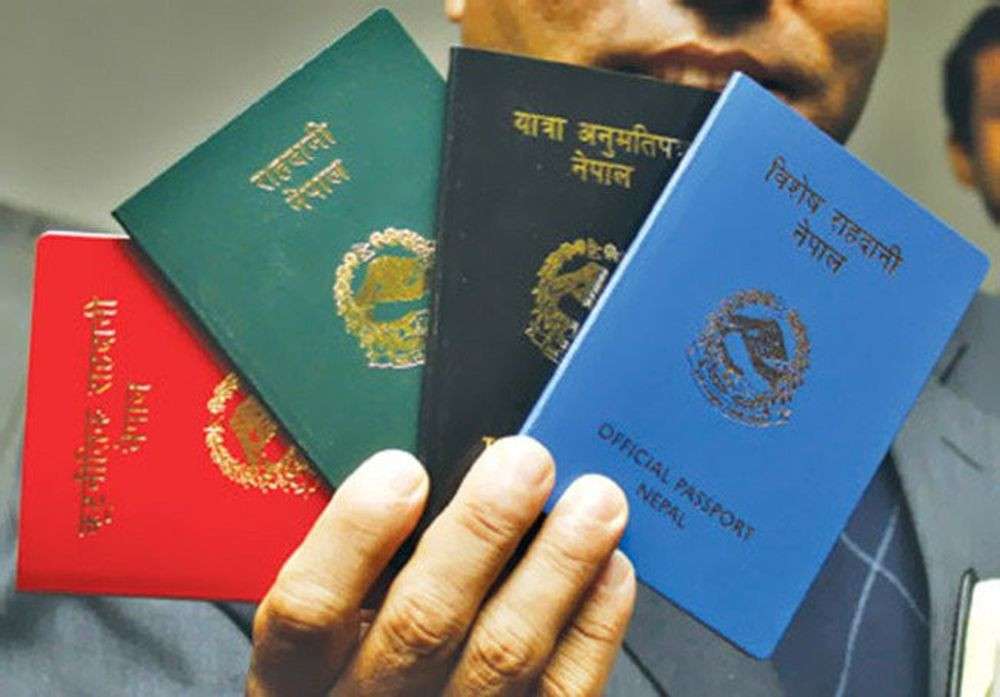
7. Nepal (Rank 99)

Nepalese passport holders can travel to 38 countries without prior visas. The nation’s relatively peaceful status and improved diplomatic relations have helped expand some travel freedoms. However, economic constraints and geographic factors limit Nepal’s global mobility compared to stronger passports. Nepalese citizens still need visas for major countries like the US, UK, and Japan.​

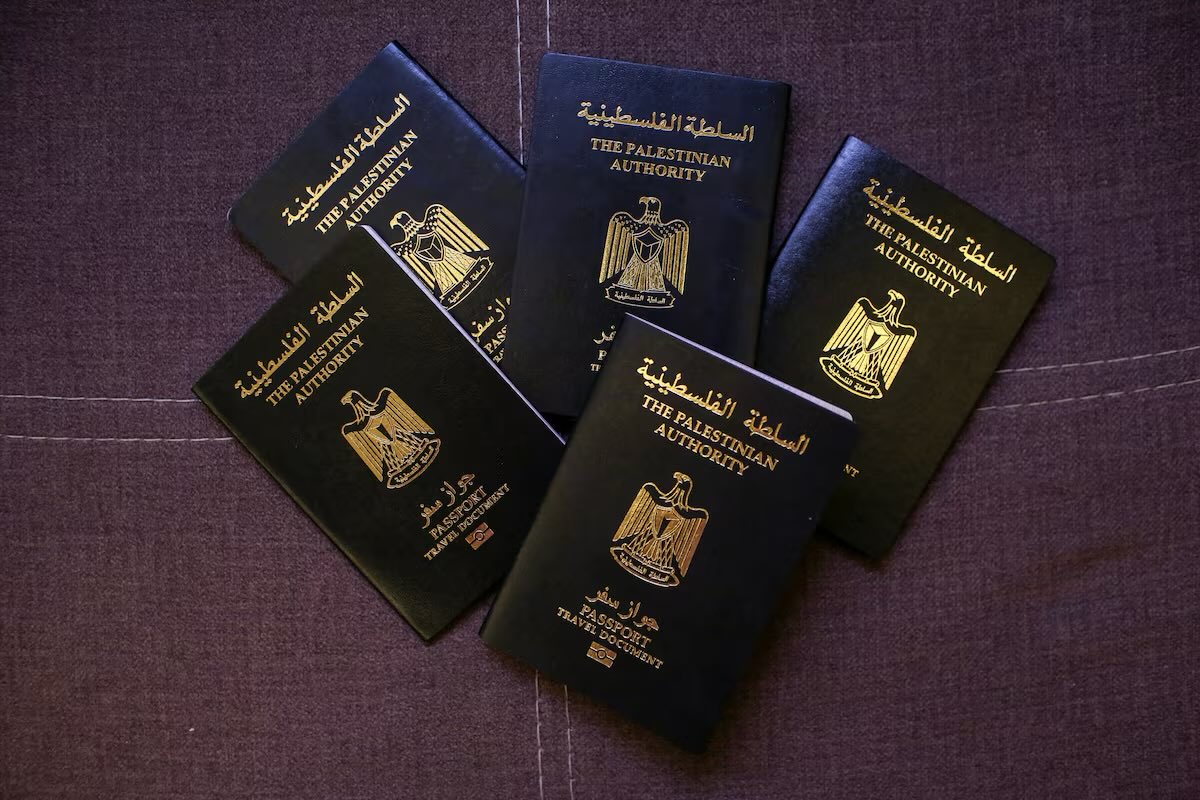
8. Palestinian Territories (Rank 99)

The Palestinian passport gives access to 38 countries, but the situation is complicated by political status and limited international recognition. Additionally, the US in 2025 suspended nearly all visas for Palestinian passport holders, significantly affecting travel options for Palestinians in Gaza, the West Bank, and the diaspora. Visa approvals now require heightened scrutiny, creating practical travel bans for many.​

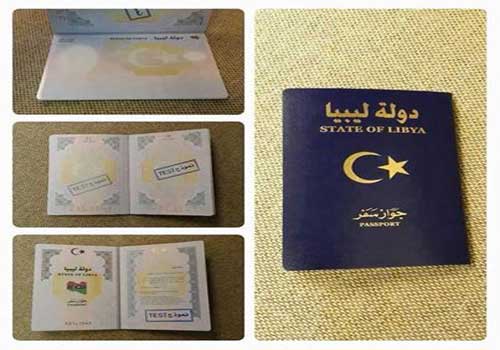
9. Libya (Rank 98)

Libyan passport holders enjoy visa-free access to only 39 countries. Prolonged internal conflict, fragmented governance, and instability since 2011, along with sanctions and embassy closures, have constrained Libya’s diplomatic reach. While some travel is possible regionally, broader international visa-free access is very limited.​

Context on Passport Weakness

Passport strength reflects not just travel convenience but also a country's diplomatic relations, political stability, security situation, and economic standing. The nine countries with the weakest passports are predominantly characterized by ongoing conflict, political instability, humanitarian crises, and limited external recognition or cooperation. These factors severely restrict their citizens’ ability to travel globally, impacting education, employment, family reunification, and cultural exchange.

The gap between these passports and the world’s strongest—such as Singapore’s, which allows visa-free access to 193 countries—illustrates a vast global mobility divide rooted in geopolitical realities.​

This detailed profiling of each country’s passport status provides a clear understanding of the profound mobility restrictions millions face worldwide in 2025.

Emirates Offers Rebooking and Refund Options for Passengers Affected by Disruptions

Published: Thursday, March 19, 2026
Emirates Offers Rebooking and Refund Options for Passengers Affected by Disruptions
Top Stories

Passengers holding Emirates bookings for travel between 28 February and 15 April 2026 who experience flight disruptions — or who wish to change their travel plans — can choose between rebooking and requesting a refund.

Rebooking: Customers may move to an alternative Emirates service to reach their intended destination for travel on or before 31 May 2026. If the original departure is within 72 hours, travellers can make changes through Manage Your Booking or via the Emirates mobile app. For travel dates beyond the 72‑hour window, Emirates asks customers to seek help through its support channels.

Refunds: Passengers may request refunds by completing the online refund form. Emirates advises allowing up to 15 days for refund requests to be processed.

Customers who purchased tickets through travel agents should contact their agent for assistance with rebooking or refunds. Emirates also reminds travellers to verify their flight status before travelling to the airport and to consult the latest operational information.

Saudi Arabia Sets Deadlines for Umrah Visas and Pilgrim Departures

Published: Tuesday, March 17, 2026
Saudi Arabia Sets Deadlines for Umrah Visas and Pilgrim Departures
Top Stories

Saudi Arabia’s Ministry of Hajj and Umrah has announced key deadlines for the current Umrah season, specifying that the issuance of Umrah visas will end on the first day of Shawwal. Pilgrims will be permitted to enter the Kingdom until Shawwal 15, while all Umrah pilgrims must depart by the first day of Dhul Qada.

The announcement was made during the ministry’s 17th periodic virtual meeting with licensed Umrah companies, held on Saturday. Officials used the session to reiterate compliance requirements ahead of the Hajj season, emphasizing that Hajj rituals must only be performed with a valid Hajj visa and not under an Umrah permit.

Minister of Hajj and Umrah Dr. Tawfiq Al-Rabiah praised service providers for their coordination during Ramadan, highlighting their role in assisting pilgrims, resolving cases involving stranded visitors, and ensuring their safe return home.

He also called for continued adherence to operational guidelines, including managing staggered arrival schedules at airports and regularly updating departure information through the Nusk Masar platform.

In addition, the minister encouraged companies to take part in the third Umrah and Visit Forum scheduled for 2026, aimed at strengthening collaboration and sharing expertise across the sector.

The meeting featured a review of performance indicators from the current Umrah season, along with discussions on preparations for the upcoming forum. Participants examined opportunities to enhance partnerships and improve service delivery for pilgrims.

These regular meetings form part of the ministry’s broader effort to maintain coordination with industry stakeholders and to advance service standards, in line with Saudi Arabia’s Vision 2030 goals to improve the overall experience for Umrah pilgrims and visitors.

Iran Conflict Disrupts Middle East Air Travel, Affecting Nearly Six Million Passengers

Published: Tuesday, March 17, 2026
Iran Conflict Disrupts Middle East Air Travel, Affecting Nearly Six Million Passengers
Top Stories

Nearly six million airline passengers have been affected by widespread flight cancellations across the Middle East following the outbreak of the Iran conflict that began on February 28.

Data from aviation analytics firm Cirium indicates that between February 28 and March 13, airlines scheduled more than 98,000 flights to and from destinations across the Middle East. However, over 52,000 of those flights were canceled during the period, significantly disrupting regional and international travel.

The cancellations include routes connecting the Middle East with destinations outside the region, as well as inbound flights from other parts of the world. Domestic and intra–Middle East services were not included in the analysis.

Cirium’s estimates are based on an average passenger load factor of 80 percent — a metric representing the proportion of occupied seats relative to total seat capacity. Airlines operating in the region typically deploy aircraft averaging about 242 seats per flight, although some larger aircraft, including Airbus A380s and Boeing 777s, can accommodate significantly more passengers.

The scale of the cancellations highlights the wider impact on global aviation. Industry data from the International Air Transport Association (IATA) shows that international passenger demand had been steadily rising prior to the disruptions. In January 2026, global international travel demand increased by 5.9 percent compared with the same month in 2025, while airline capacity grew by 5.8 percent year-on-year. During the same period, the average load factor reached 82.5 percent, a slight increase of 0.1 percentage points.

Airlines based in the Middle East experienced even stronger growth earlier in the year. Regional carriers reported a 7.2 percent year-on-year increase in passenger demand in January, alongside a 7.8 percent rise in capacity. The load factor for Middle Eastern airlines stood at 83.2 percent, representing a modest decline of 0.4 percentage points compared with the previous year.

Commenting on the situation, IATA Director-General Willie Walsh called for efforts to protect civilian aviation amid the ongoing conflict.

“We all hope for an early peaceful resolution to the current hostilities,” Walsh said. “In the meantime, states must respect their obligation to keep civilians and civil aviation free from harm.”

Jazeera Airways Opens Kuwait–Istanbul Route via Saudi Arabia’s Qaisumah Airport

Published: Tuesday, March 17, 2026
Top Stories

Jazeera Airways has introduced a temporary travel route linking Kuwait and Istanbul through Qaisumah Airport in Hafar Al Batin, Saudi Arabia, as the airline works to maintain passenger connectivity following the suspension of operations at Kuwait International Airport for safety reasons.

The Kuwaiti low-cost carrier said it is currently the only airline from Kuwait facilitating travel through this alternative arrangement. The move is part of the airline’s efforts to ensure mobility for passengers amid the ongoing regional situation.

The first flight on the new route operated on March 15. Passengers departing from Kuwait were transported by bus to Qaisumah Airport, where they boarded the flight to Istanbul Airport. For the return journey, travelers flew from Istanbul to Qaisumah before continuing their trip to Kuwait by road.

Jazeera Airways said it is coordinating closely with aviation authorities and operational partners in both Kuwait and Saudi Arabia to ensure the safety and efficiency of the temporary travel arrangements.

“As a Kuwaiti national carrier, maintaining connectivity for Kuwait during this period is extremely important for us,” said Jazeera Airways Chief Executive Officer Barathan Pasupathi. “Following the launch of flights to Egypt and Jordan, we are pleased to extend our operations to Istanbul, allowing more passengers to travel to and from Kuwait despite the current operational situation.”

Pasupathi added that since March 11 the airline has transported more than 6,000 passengers under the adjusted operations. Flights to Colombo have also been introduced and are currently fully booked.

To meet strong travel demand, the airline plans to increase flight frequencies on existing routes while gradually adding new destinations, including cities in India and the United Arab Emirates.

Pasupathi also acknowledged the support of aviation authorities and operational partners. “We are grateful for the strong collaboration and support of the Kuwait Directorate General of Civil Aviation, Saudi Arabia’s General Authority of Civil Aviation, and our operational partners in establishing a safe and coordinated travel solution for passengers during this time,” he said.

Gulf Air Opens Dammam Routes to London, Mumbai and Bangkok

Published: Tuesday, March 17, 2026
Gulf Air Opens Dammam Routes to London, Mumbai and Bangkok
Top Stories

Gulf Air has started accepting bookings for international flights departing from King Fahd International Airport in Dammam, Saudi Arabia, as the airline adjusts its operations during the ongoing closure of Bahrain’s airspace.

The carrier announced that passengers can now reserve seats on flights from Dammam to three major international destinations: London Heathrow Airport in the United Kingdom, Chhatrapati Shivaji Maharaj International Airport in Mumbai, India, and Suvarnabhumi Airport in Bangkok, Thailand. The flights are currently available for travel between March 15 and March 16 through Gulf Air’s website and mobile application, with additional travel dates expected to be announced soon.

Gulf Air said it will also facilitate transportation for passengers traveling between Bahrain and Dammam who hold confirmed flight bookings. The airline will assist eligible travelers with obtaining Saudi transit visas when required. However, passengers planning to enter Saudi Arabia must independently obtain a valid visa.

The airline further advised customers not to travel to departure airports without confirmed tickets. Flights operating to and from Bahrain International Airport remain temporarily suspended until Bahrain’s airspace reopens.