
.png)
Publicly breaking the fast during the holy month of Ramadan often provokes strong reactions among those observing it, given the sacred status of the month as one of the five pillars of Islam. As a result, debate over public non-fasting resurfaces each year with the sighting of the Ramadan crescent.
Governments across the region differ in how they address the issue. While some impose legal penalties on those who openly eat or drink during fasting hours—citing the need to protect religious sentiments—others argue that the right not to fast should be treated as a matter of personal freedom.

In Saudi Arabia, authorities tasked with promoting virtue and preventing vice have historically pursued individuals who publicly break the fast. Penalties vary depending on the circumstances and judicial discretion, and may include imprisonment or corporal punishment. Foreign nationals may also face deportation.
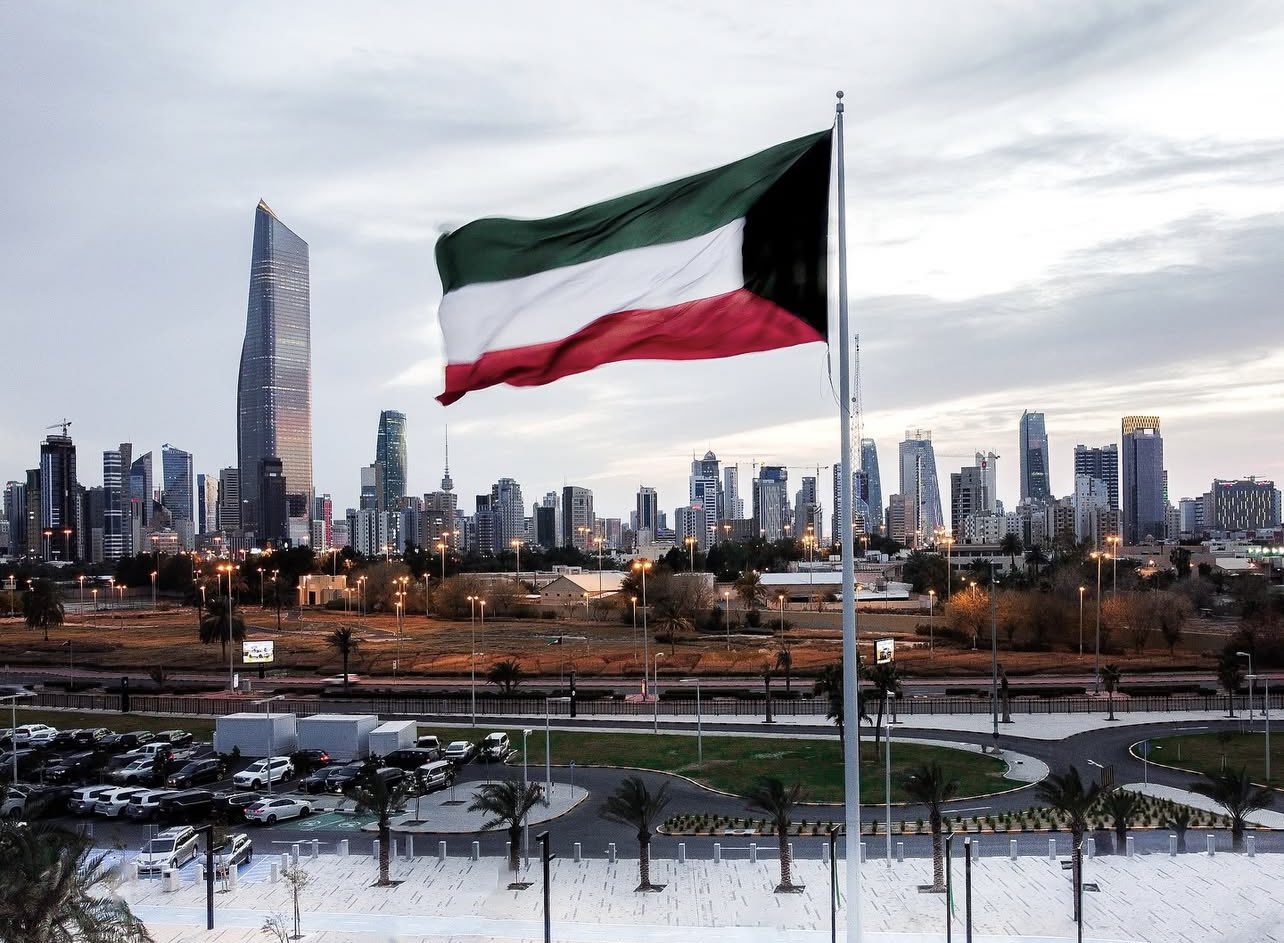
Kuwaiti law stipulates a fine not exceeding 100 Kuwaiti dinars (approximately $331), imprisonment for up to one month, or either penalty for anyone who publicly breaks the fast during Ramadan. The same penalties apply to those who incite or assist in such acts. Businesses used for this purpose may be closed for up to two months. The government issues an annual statement underscoring the sanctity of Ramadan, and restaurants and public eateries close during fasting hours under Law No. 44 of 1968.
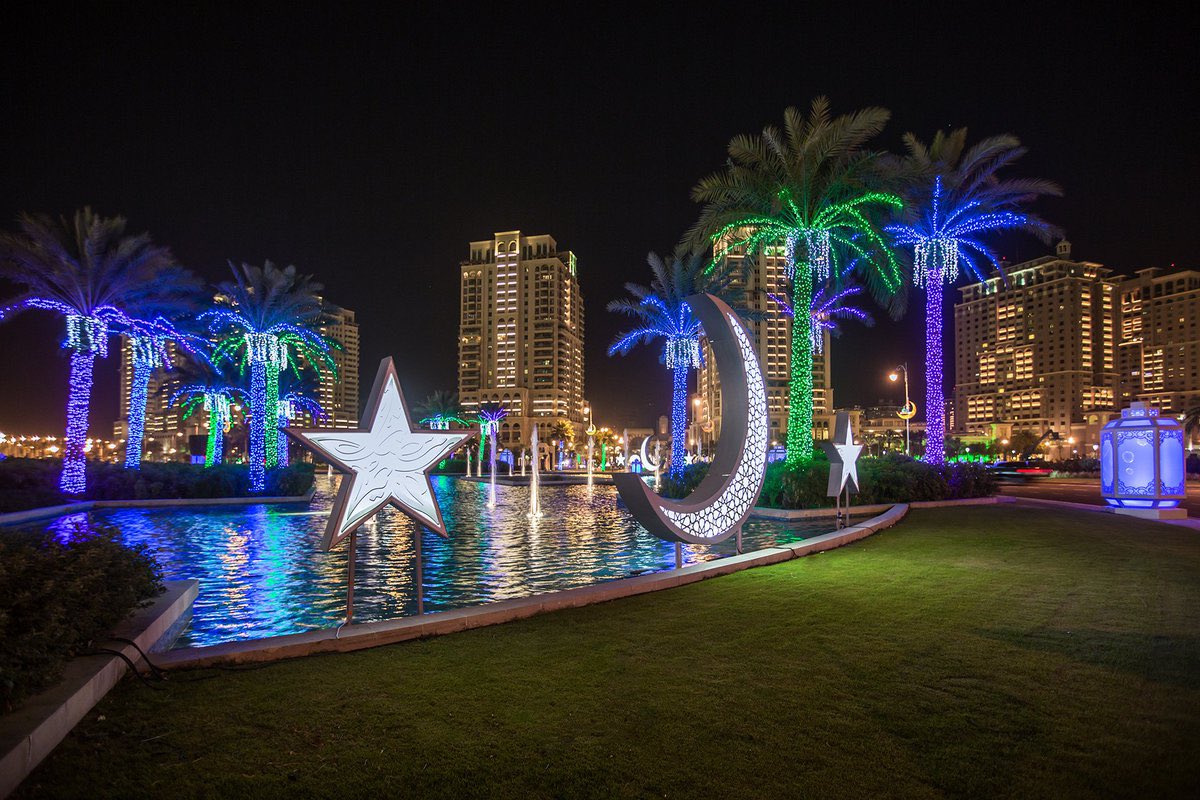
In Qatar, the law criminalizes publicly breaking the fast during Ramadan. Offenders may face imprisonment for up to three months, a fine of approximately $824, or one of the two penalties.
Omani law, under provisions addressing public indecency, imposes a short-term custodial sentence or a fine ranging from one to five Omani riyals (around $13), or both, on Muslims who publicly break the fast without a legitimate excuse.
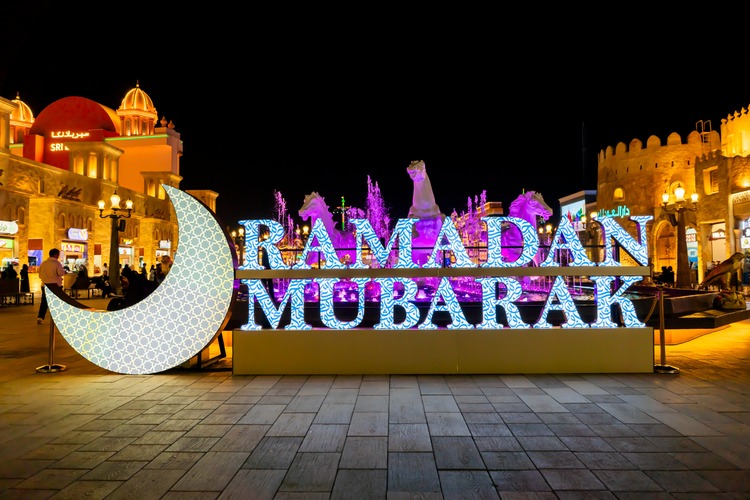
In the United Arab Emirates, publicly breaking the fast is considered an offense that infringes upon religious values. Penalties include imprisonment for up to one month or a fine of approximately $544.
In Bahrain, publicly eating or drinking during fasting hours constitutes a misdemeanor punishable by more than three months in prison, and law enforcement officers are authorized to detain violators.
Beyond the Gulf region, Iraq imposes a five-day prison sentence for publicly breaking the fast, with exemptions for the sick and travelers. Yemen’s penal code does not explicitly criminalize public non-fasting, though individuals may be detained under public decency or blasphemy provisions.
In Egypt, Dar Al-Ifta has stated that a Muslim who believes in God and the Last Day should not openly break the fast without valid excuse, describing such behavior as disrespectful to a collective religious observance. The institution recommends addressing such cases through advice and moral guidance, while allowing authorities to adopt measures preventing public violations in streets and public squares.
Jordanian law prescribes up to one month in prison and a fine of approximately $35 for publicly breaking the fast. The same legal framework applies in Palestine, though reported cases remain limited. Prior to the war in Syria, no specific law criminalized public non-fasting, though restaurants typically closed during the day in Muslim-majority areas, while Christian-owned establishments often operated without issue.
In Lebanon, there is no formal legal prohibition against public eating during Ramadan. However, in predominantly Muslim areas, restaurants generally close during fasting hours, and public non-fasting is widely viewed as socially inappropriate.
In the Comoros and Somalia, publicly breaking the fast is criminalized. In some parts of Somalia, penalties can be severe, though enforcement and legal provisions vary by region. In other areas, while no formal law exists, strong social norms discourage public non-fasting without valid reason.
.jpg)

.jpeg)

.jpg)

 (1).jpg)

.jpg)
.jpg)
.jpg)

.jpg)


.jpg)
.jpg)


.jpg)


.jpeg)

.jpg)


.jpg)


.jpg)
.jpg)

.jpeg)
.jpeg)

.jpg)
.jpg)
